
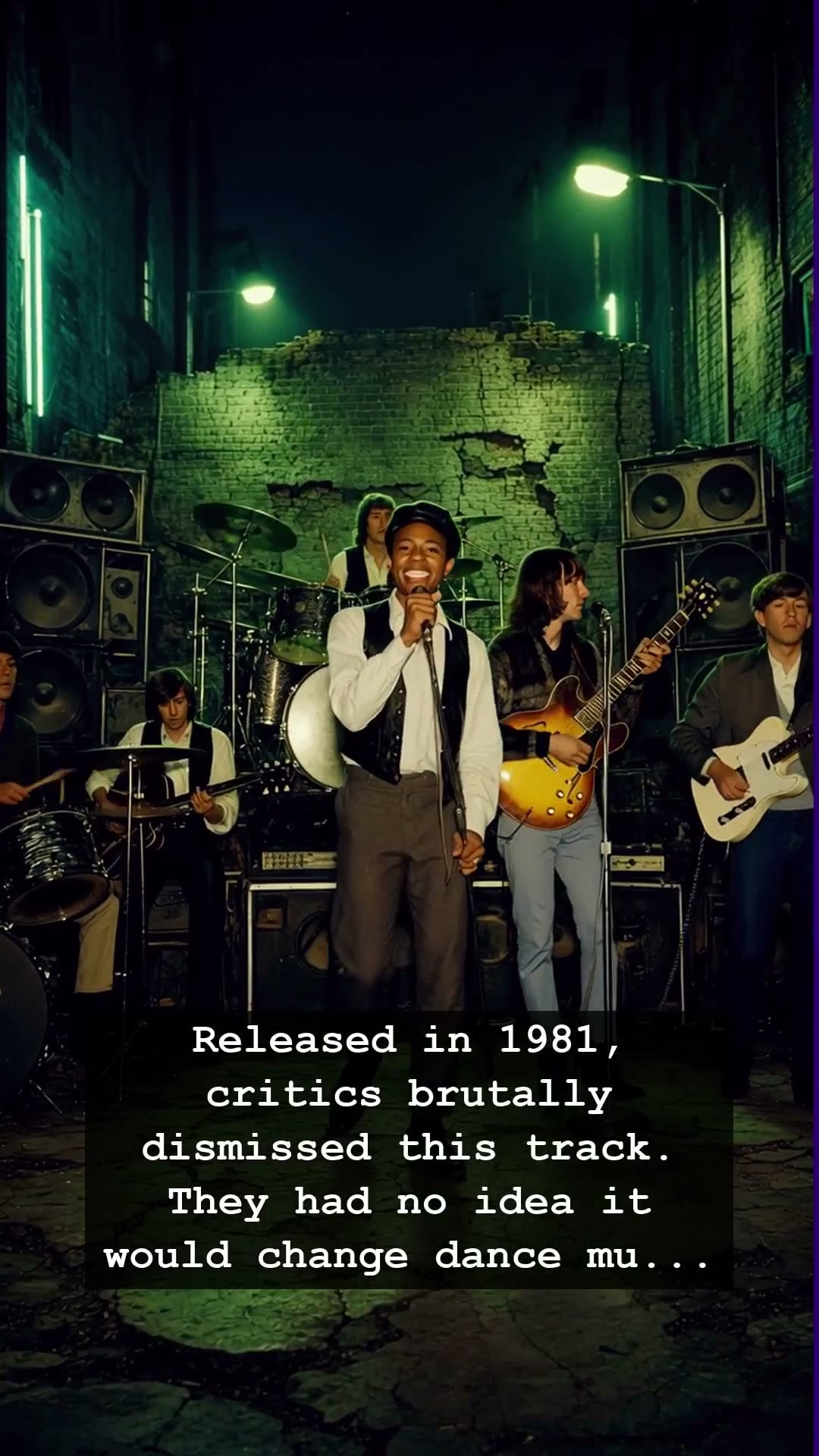
In 1981, the airwaves were dominated by the polished synthesizers of the new decade, and the legendary Studio 54 was still echoing with the ghosts of the disco era. When Rick James dropped Super Freak, the music critics of the time didn’t just ignore it; they brutally dismissed it as a mere novelty record. They labeled the bassline as crude and the lyrics as hedonistic filler. Yet, while those high-brow reviewers were sharpening their pens to write off his legacy, they had no idea that Rick James had just crafted the sonic blueprint that would ignite dance floors worldwide for the next four decades. It was the ultimate middle finger to the industry establishment that tried to keep him in a box.
Born James Ambrose Johnson Jr., Rick James was never one for subtlety. He was a force of nature, a man who lived with a level of intensity that often burned bridges as quickly as he built them. By 1981, he was deep into his punk-funk evolution, blending the raw, grit-filled soul of the streets with the high-octane energy of arena rock. Super Freak was the culmination of this friction. With its infectious, repetitive bass riff and an unapologetic, swaggering vocal performance, the track wasn’t just a song; it was a physical sensation that demanded to be heard at maximum volume on every jukebox in America.
Behind the glitter of his velvet coats and the iconic braids, Rick James was fighting a constant war against the limitations imposed on Black artists during the post-disco era. He wasn’t interested in being polite or fitting into the mainstream pop narrative that MTV was beginning to curate. He wanted the funk to stay dirty, sweaty, and real. The genius of Super Freak lies in that defiance. It was a bridge between the groove-heavy soul of the seventies and the hyper-processed electronic pop that would soon dominate the eighties. By refusing to soften his edge, Rick James actually bridged a cultural gap, proving that real music doesn’t need to be polished to be immortal.
The track’s resilience is a testament to the fact that great music eventually finds its own path, regardless of early critical scorn. Walking down the street in the early eighties with a Walkman pressed to your ears, it was impossible not to feel the electric pulse of that bassline. It was a rebellious anthem for the outcasts, the dreamers, and the nocturnal creatures of the nightlife circuit. Even as Rick James grappled with the darker, suffocating pressures of his own fame and the chemical temptations that often shadowed such legendary careers, his music remained the singular, unyielding truth of his existence.
Decades later, the legacy of Rick James remains woven into the very fabric of popular music. We hear his echo every time a modern producer samples that iconic, infectious riff. The critics who once sneered have long since been silenced by the sheer staying power of the track. When you hear the opening notes today, you aren’t just hearing a hit from 1981; you are hearing the sound of an artist who dared to ignore the gatekeepers and changed the dance floor forever. Perhaps it is time we all turn the volume up, honor the chaos, and give the King of Punk-Funk the final dance he truly earned.