
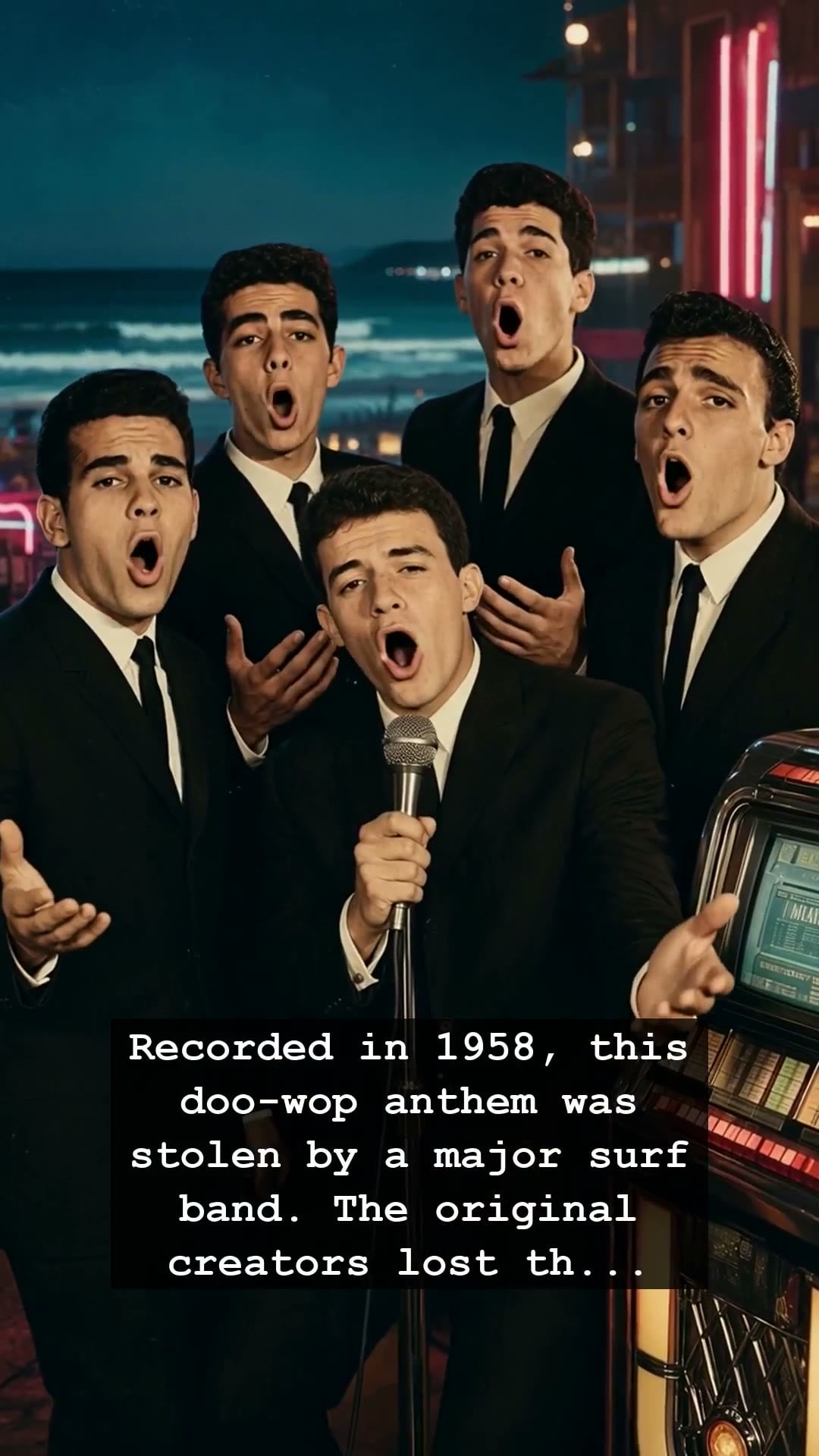
It was 1958, a time when the rhythmic clatter of a jukebox in a dimly lit diner defined the American dream. In the bustling streets of New York, a group of young men known as The Regents gathered in the studio to record a song that promised to be their golden ticket to fame. The track was a quintessential piece of doo-wop soul, dripping with the raw, heartfelt harmonies that defined the era. But as the tape rolled, the boys had no idea that their melody was destined to become a ghost, a beautiful haunting sound that would eventually be stripped from their hands and repurposed by the biggest surf stars on the West Coast.
The history of The Regents is a tragedy written in four-part harmony. While they possessed the kind of vocal talent that could stop traffic on a Brooklyn corner, the music industry of the late fifties was a predatory beast. The Regents recorded their anthem with the hope of national airplay, but the cards were stacked against them. In an era before the instant connectivity of the modern world, ownership was often a matter of who had the loudest megaphone—or in this case, who had the most powerful record label. Their masterpiece was effectively stolen, handed over to a polished surf band that repackaged the sound for the sandy beaches of California, leaving the original creators to watch from the shadows.
Imagine the frustration of hearing your soul, your hard work, and your creative identity playing on the radio, being hailed as someone else’s stroke of genius. As The Regents faded into the footnotes of rock history, the surf craze took over, and the nuance of their original doo-wop recording was buried under the crashing waves of a new genre. It is a story that captures the dark, often cruel underbelly of the music business, where talent was frequently discarded in favor of marketable faces and lucrative distribution deals. The Regents became one of those legendary ‘what if’ stories that haunt the halls of rock history.
Today, the story of The Regents resonates because it reflects the universal fear of being forgotten. We live in an age of instant fame, but for these artists, the struggle was invisible. They stood at the precipice of stardom, only to be pushed off by the very industry that promised them a platform. Their music remains a time capsule—a vivid reminder of a period defined by greasy hair, vinyl records, and the fragile nature of artistic legacy. Even now, listening to the original tapes, one can hear the sincerity in their voices, a stark contrast to the hollowed-out success that stole their spotlight.
Despite the injustice, the legacy of The Regents endures among those who hunt for the truth behind the hits. They serve as a somber reminder that the loudest anthem isn’t always the one that tells the most honest story. As the golden years of rock and roll continue to be mythologized, it is vital to remember the voices that were silenced. The next time you find yourself lost in the echoes of a classic hit, remember the names of the men who started it all, left behind by a industry that forgot where the music truly began.