
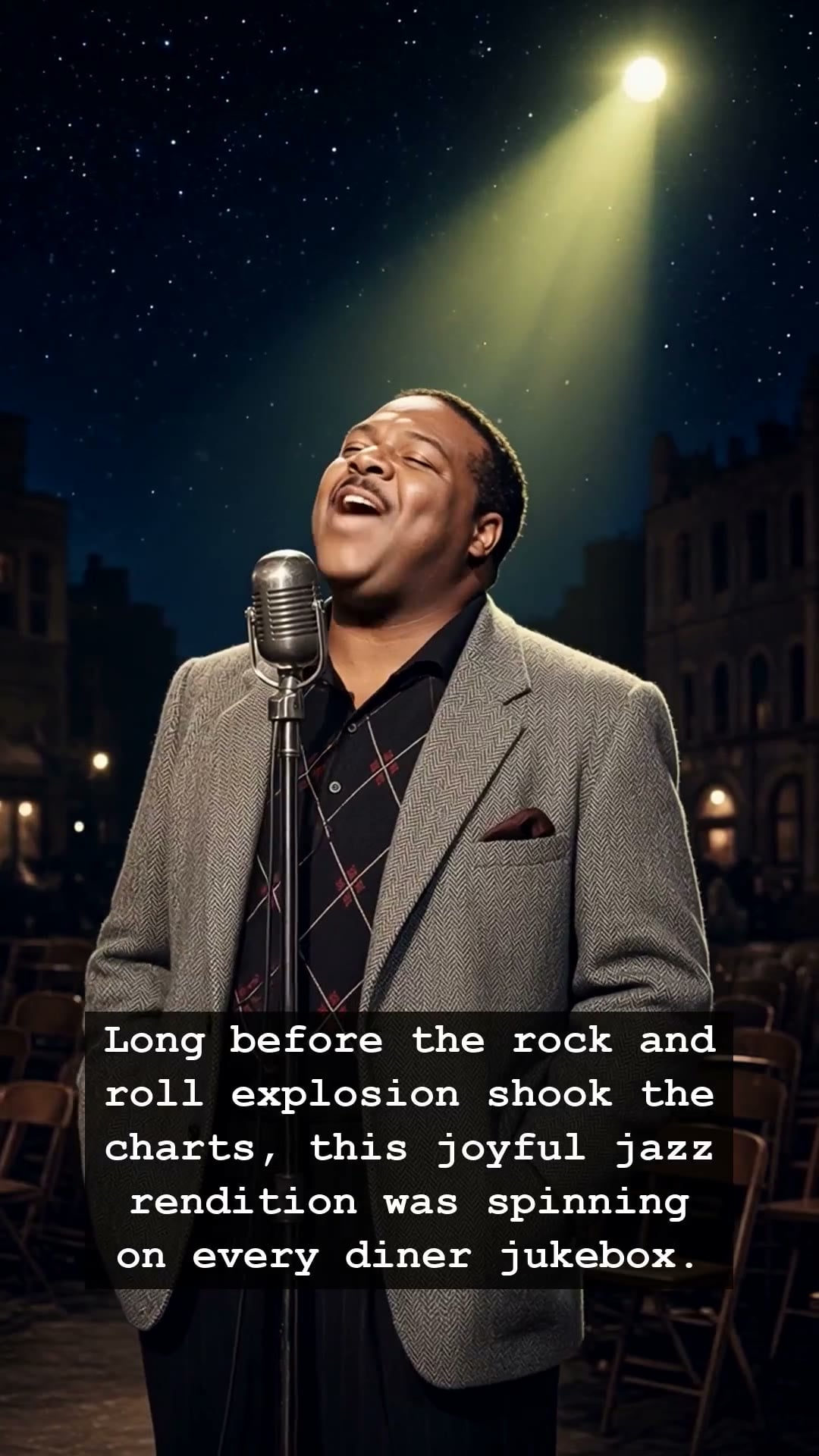
The year was 1949, and the air in America tasted of post-war optimism and the greasy, comforting scent of diner fries. In those neon-lit corners, the rhythmic hum of the jukebox was the heartbeat of a nation. If you dropped a nickel into the slot, you were likely met with the unmistakable, gravelly warmth of Louis Armstrong. Before the world was torn apart by the seismic shift of electric guitars and the rebellious roar of the rock and roll explosion, Louis Armstrong held the throne, guiding the American soul with a trumpet that sounded like moonlight on velvet. It was a simpler time, yet even then, the cracks in the status quo were beginning to show.
To listen to Louis Armstrong during this era is to step into a time capsule of pure, unadulterated joy. While the youth of the mid-50s would soon trade their suits for leather jackets and their jazz records for the raw, distorted sounds of Elvis and Chuck Berry, the late 40s were dominated by the effortless charisma of Pops. His music was the universal language of the diner booths and the smoke-filled ballrooms, a bridge between the big band era and the uncertain dawn of modern pop. There was a profound, quiet dignity in his performance that seemed to anchor the listener, providing a sense of stability that the turbulent coming decades would desperately lack.
Yet, beneath the joyful veneer of his most popular tracks lay a man who had navigated the brutal realities of the Jim Crow South and the immense, crushing weight of international stardom. Louis Armstrong was not merely a musician; he was an ambassador of culture who often faced the cold sting of prejudice while being expected to perform with a perpetual, beaming smile. The drama of his life was never played out on the front pages of tabloid rags like the later rock stars, but it was etched into the lines of his face and the intensity of his improvisation. He carried the burden of being a pioneer while constantly reinventing what it meant to be an American icon.
When we look back at those jukebox classics today, we are doing more than reminiscing about a catchy melody. We are mourning the loss of a specific kind of innocence that existed just before the cultural earthquake of the 1950s. The transition from the sophisticated, orchestrated swing of Louis Armstrong to the jagged, defiant beats of rock and roll changed the musical landscape forever, yet the DNA of jazz remained the foundation upon which everything else was built. Without the technical brilliance and the emotional depth that Louis Armstrong brought to the stage, the explosive creativity of the generations that followed simply would not have had the same resonance.
Even as the Walkman replaced the home stereo and the digital age eventually made the physical jukebox a relic of the past, the spirit of Louis Armstrong endures. His music serves as a reminder that before the screams of stadium crowds and the theatricality of glam metal, there was a man with a golden trumpet who could stop time with a single note. If you close your eyes and listen closely, you can still hear the faint, crackling echo of his music dancing through the air, whispering stories of a world that once was, and a genius who taught us all how to feel, long before the lights went out on the golden age.