
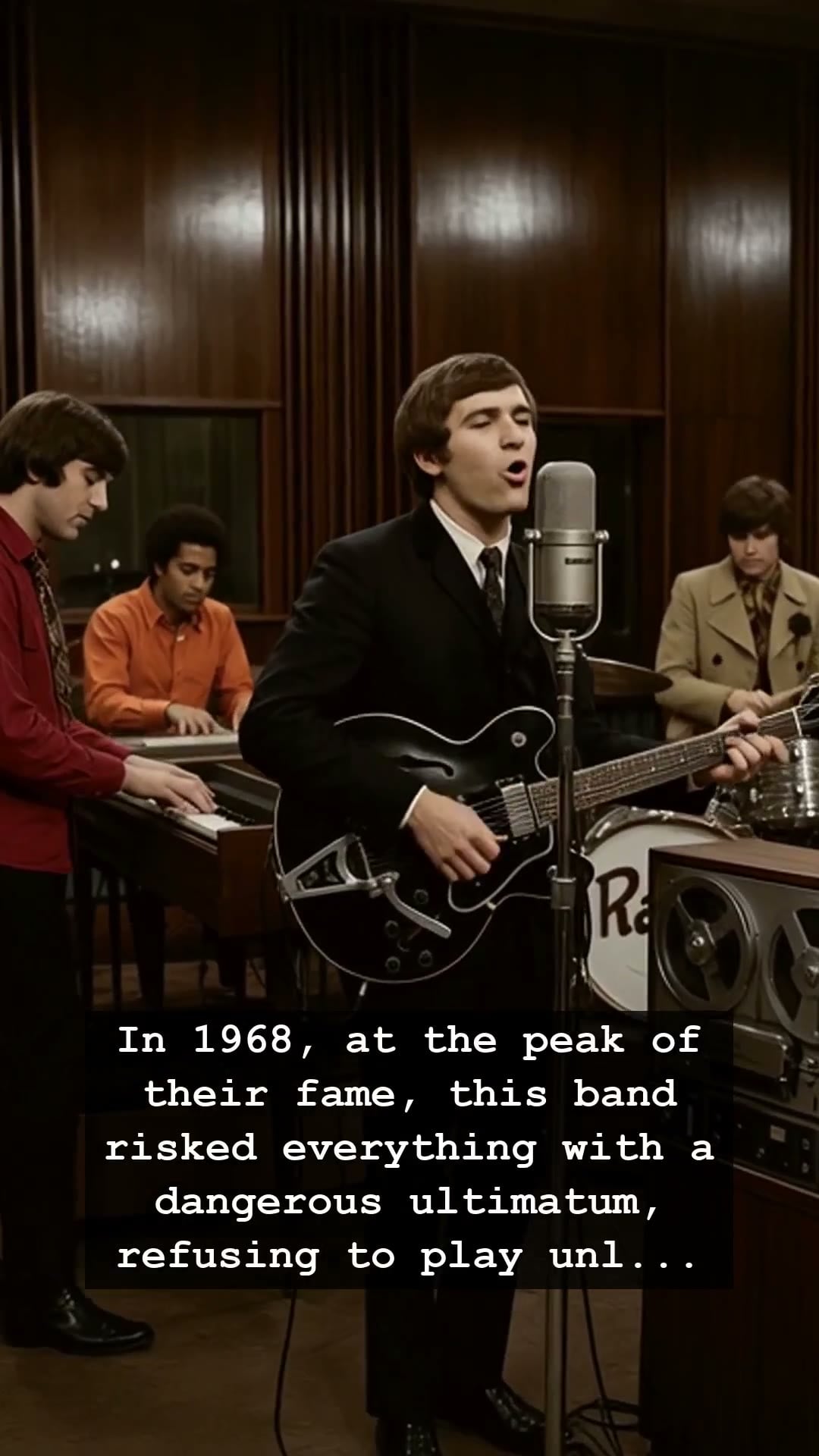
Imagine the year is 1968. The air in America is thick with tension, caught between the tail end of the Summer of Love and a brewing political firestorm. Amidst this cultural turmoil, the airwaves were dominated by the soulful, organ-driven melodies of The Young Rascals. With hits like Groovin’ and People Got to Be Free, they were the darlings of the charts, masters of the blue-eyed soul sound that captured the hearts of a generation. Yet, behind the scenes, these musicians were orchestrating a quiet revolution that would threaten their very standing in the industry.
At the absolute height of their fame, The Young Rascals made a move that sent shockwaves through the polished corridors of the music business. While venues across the country were still enforcing invisible lines of segregation, the band drew a firm one of their own. They issued a dangerous ultimatum to promoters: they refused to step on stage unless the lineup was fully integrated. In an era where a single controversial stance could vanish a group from the jukeboxes and television screens, this was more than a performance request—it was a high-stakes gamble with their own careers on the line.
To understand the gravity of this moment, you have to picture the concert circuit of the late sixties. Studios were becoming temples of creativity, and bands like The Young Rascals were treated like royalty, but the touring life was a grit-filled reality of segregated dressing rooms and divided audiences. By demanding integration, the members of The Young Rascals weren’t just playing for the fans; they were holding up a mirror to a fractured nation. They were willing to walk away from the massive crowds, the bright lights of the stage, and the roar of the arena if it meant their principles stayed intact.
Their commitment wasn’t just performative; it was woven into the DNA of their music. Songs like People Got to Be Free were not just catchy radio hits, but anthems for a changing society that mirrored their personal convictions. When they walked onto those integrated stages, they weren’t just singing songs of unity; they were living them in real-time. It was a bold display of solidarity during a time when many of their peers chose the comfort of silence over the risks of advocacy.
Today, when we look back through the lens of nostalgia, we often remember the catchy organ solos and the smooth harmonies that defined the decade. However, the story of The Young Rascals remains one of the most powerful chapters in rock history. They proved that true legend status isn’t just about how many records you sell or how loud the crowd screams; it is about the quiet courage to demand a better world when the spotlight is brightest. Their legacy lives on, a reminder that even in the face of immense pressure, one stand can change the rhythm of history forever.