
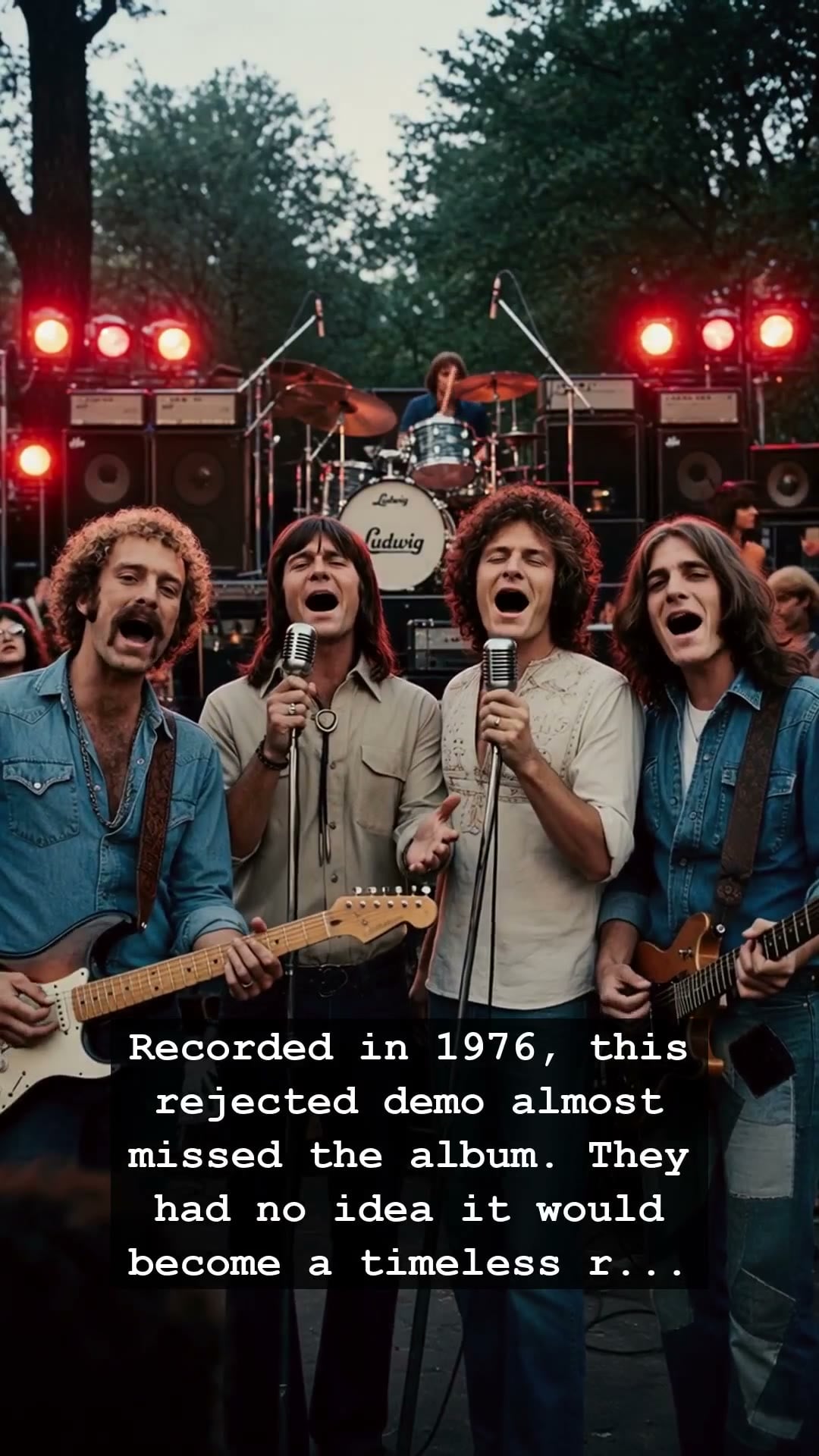
It was 1976, a year when the neon glow of the Sunset Strip felt both intoxicating and suffocating. Inside a dimly lit studio, the Eagles were struggling to birth what would become the ultimate rock masterpiece of the decade. A grainy, rejected demo tape sat on a desk, nearly destined for the trash bin. The band members were exhausted, fueled by the relentless pressure of fame and the hollow glamour of Southern California. They had no idea that this specific track, almost discarded over its hauntingly toxic lyrics, would soon define an entire generation and turn into a legendary anthem that would never lose its grip on our collective consciousness.
Hotel California was not just a song; it was a cryptic confession. As the band wrestled with the arrangement, the tension in the room was palpable. The Eagles were at the peak of their creative powers, but the dark underbelly of the music industry was beginning to erode their brotherhood. Don Henley and Glenn Frey were obsessed with capturing the decadence of the era, the transition from the optimistic peace of the Woodstock years to the cynical, drug-fueled vanity of the late seventies. The lyrics felt dangerous to them, a mirrors-on-the-ceiling nightmare that dared to peel back the layers of the American Dream.
The iconic guitar solo, a soaring conversation between Don Felder and Joe Walsh, almost never happened in the way we know it. There were bruised egos and fierce debates about the musical direction of the record. The band was caught in a cycle of success that felt like a prison, much like the song they were recording. They were living the high life, yet feeling the weight of the Walkman culture and the looming burnout that threatened to shatter the group entirely. Every note recorded was a testament to a perfectionism that bordered on insanity, capturing the exact moment rock music pivoted toward the arena-filling, highly produced sounds that would dominate the next decade.
When Hotel California was finally released, the world didn’t just hear a hit; they heard a ghost story. It became the soundtrack for every drive down the Pacific Coast Highway, a song that felt like an omen. The cryptic meaning behind the ‘beast’ and the inability to ‘leave’ resonated with fans who felt trapped by their own ambitions. For the Eagles, it was the beginning of their complicated legacy—a masterpiece born from conflict, alcohol, and the cold reality of life in the fast lane. It remains a chilling masterpiece that captures the essence of a bygone era perfectly.
Today, decades later, the haunting rhythm still echoes through our speakers, carrying the weight of 1976 with it. Do you remember where you were the first time those opening chords drifted through the air? It was a time of excess, mystery, and unparalleled musical brilliance. Take a moment to listen again, and you might just hear the secrets still hidden in the track.