
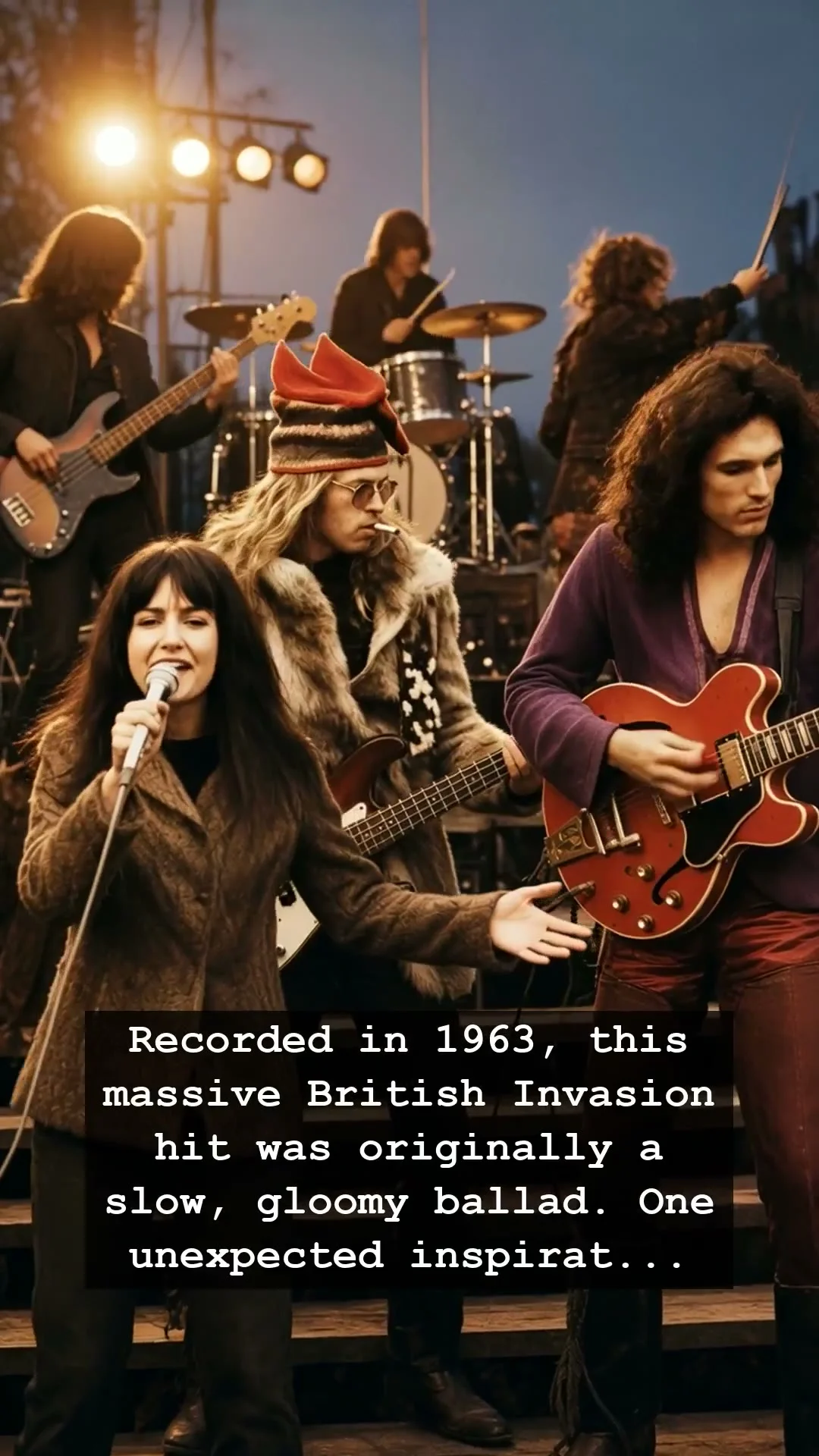
It was 1963, a year when the airwaves were still buzzing with the raw, rhythmic energy of early rock and roll. The Beatles were on the cusp of a cultural explosion that would soon consume the world, but before they were the global icons synonymous with Beatlemania, they were just four hungry musicians navigating the pressures of the studio. Few fans realize that one of their most legendary, infectious hits, Please Please Me, was almost destined to be forgotten. In its original incarnation, the song was not the upbeat, high-energy pop anthem we recognize today. It was written by John Lennon as a slow, brooding, and rather gloomy ballad, echoing the somber tones of Roy Orbison, the man whose haunting voice had captivated the hearts of teenagers across Britain.
John Lennon was deeply enamored with the dramatic, soaring melodies of Roy Orbison. He wanted to capture that same melancholy intensity, crafting a song that lingered in the shadows rather than leaping into the light. When The Beatles first took the track to their producer, George Martin, the reaction was underwhelming. The original arrangement dragged; it lacked the vitality needed to command the attention of a youth culture waiting for something to ignite. The song needed a transformation, a spark to turn a dirge into a chart-topping beast that could dominate the Jukebox scene and echo through the halls of every youth club in the country.
Everything changed during a pivotal moment of artistic epiphany. Whether it was the competitive pressure of the burgeoning British Invasion or simply a moment of late-night clarity, Lennon and Paul McCartney reconsidered the composition. They realized that the audience did not need another slow ballad; they needed a sonic revolution. They tightened the rhythm, injected a newfound urgency into the percussion, and gave the melody a punchy, insistent drive that echoed the excitement of the era. The result was a radical reinvention that turned the gloomy ballad on its head, breathing life into a track that would soon become their first major hit.
This shift remains a perfect example of the alchemy involved in The Beatles’ creative process. Their ability to take inspiration from the likes of Roy Orbison and twist it into something entirely new is what defined their career. It was a time when the transistor radio and the flickering glow of television were beginning to stitch the world together, and this specific creative decision helped pave the way for the British Invasion. It wasn’t just about melody; it was about understanding the shifting cultural tide and knowing exactly when to pivot from gloom to glory.
Today, listening to the energetic chords of that song transports us back to a time of monochrome innocence and musical discovery. It serves as a haunting reminder that even the greatest legends started with simple, flawed ideas that required the courage to be rewritten. When you listen to it now, try to imagine that original, slow version lingering in the dark. It is a testament to the fact that music history is often made in the transition between what was intended and what eventually conquered the world. We invite you to press play on your favorite vintage record player and listen again to the heartbeat of the sixties.