
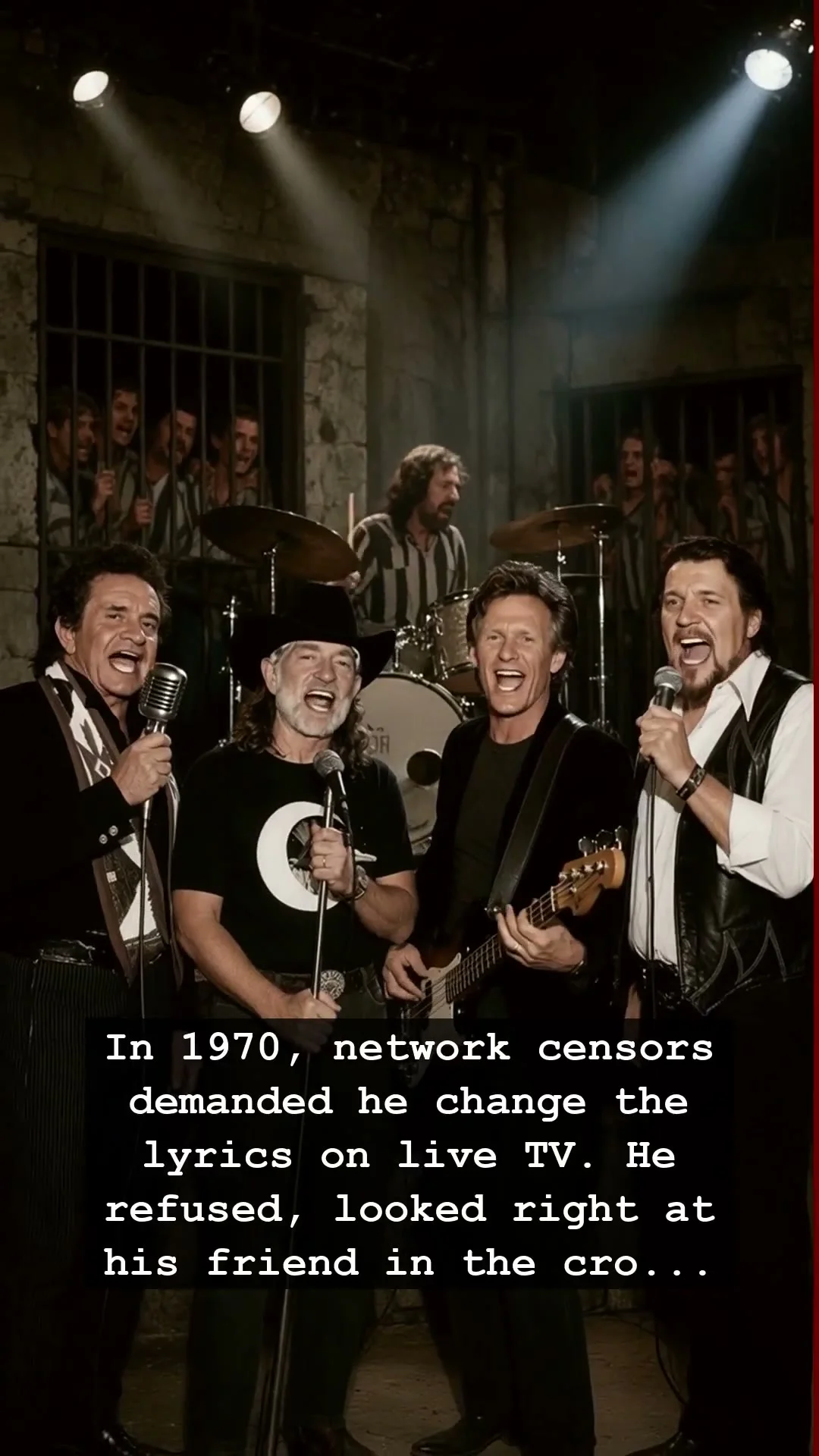
It was 1970, and the air inside the Ryman Auditorium was thick with the scent of floor wax and the nervous energy of live television. For a generation raised on the pristine, sanitized performances of the fifties, Johnny Cash was an anomaly—a man who walked the razor’s edge between outlaw and legend. That night, the network executives were sweating. They had a singular demand for the Man in Black: change the lyrics to the song you are about to perform, or the signal gets cut. They were terrified of a single word in a song about drug culture, a word that represented the gritty reality of the American underbelly that the television suits were desperate to hide from Middle America.
The song was Sunday Mornin’ Comin’ Down, a haunting piece of Americana written by a struggling janitor-turned-songwriter named Kris Kristofferson. The lyrics captured the hollow, aching loneliness of a Sunday morning hangover with such visceral honesty that it felt like an intrusion on privacy. Johnny Cash, ever the champion of the overlooked and the marginalized, saw the soul within those lines. He didn’t just hear a song; he heard a manifesto of the downtrodden. When the cameras turned on and the red light flickered, the network held its breath. Johnny Cash stared directly into the lens, his gaze steady and defiant, and sang the forbidden word, leaving the censors powerless in the face of his conviction.
That moment was more than just a rebellion against corporate script-writing; it was a watershed moment for American music. By singing those lyrics, Johnny Cash didn’t just cement his status as the patron saint of outlaws; he effectively launched the career of Kris Kristofferson into the stratosphere. Before that night, Kristofferson was cleaning floors at Columbia Recording Studios, fighting to get his tapes into the hands of the right people. After Johnny Cash stood his ground, the world turned its attention to the brilliant, booze-soaked poetry of the man who would eventually become a Hollywood icon.
It is difficult to overstate how heavy the atmosphere of that era felt. We were living in the shadow of Woodstock and the fading remnants of the hippie dream, transitioning into a decade where the glamour of Studio 54 would soon clash with the stark reality of the streets. Music was the only bridge between those two worlds. When you heard Johnny Cash sing those words, it felt like the truth finally had a microphone. It was a time when a simple three-minute song could spark a national conversation about morality, addiction, and the courage it takes to speak your mind when everyone else is whispering.
Looking back, the interaction between Johnny Cash and Kris Kristofferson stands as a monument to artistic integrity. It reminds us of a time when icons were defined by their stubbornness rather than their social media presence. We remember that night not just for the song, but for the principle. It serves as a haunting, nostalgic reminder that sometimes, the most profound impact happens when you refuse to play by the rules. Do you remember where you were when the Man in Black told the world he wouldn’t be silenced?