
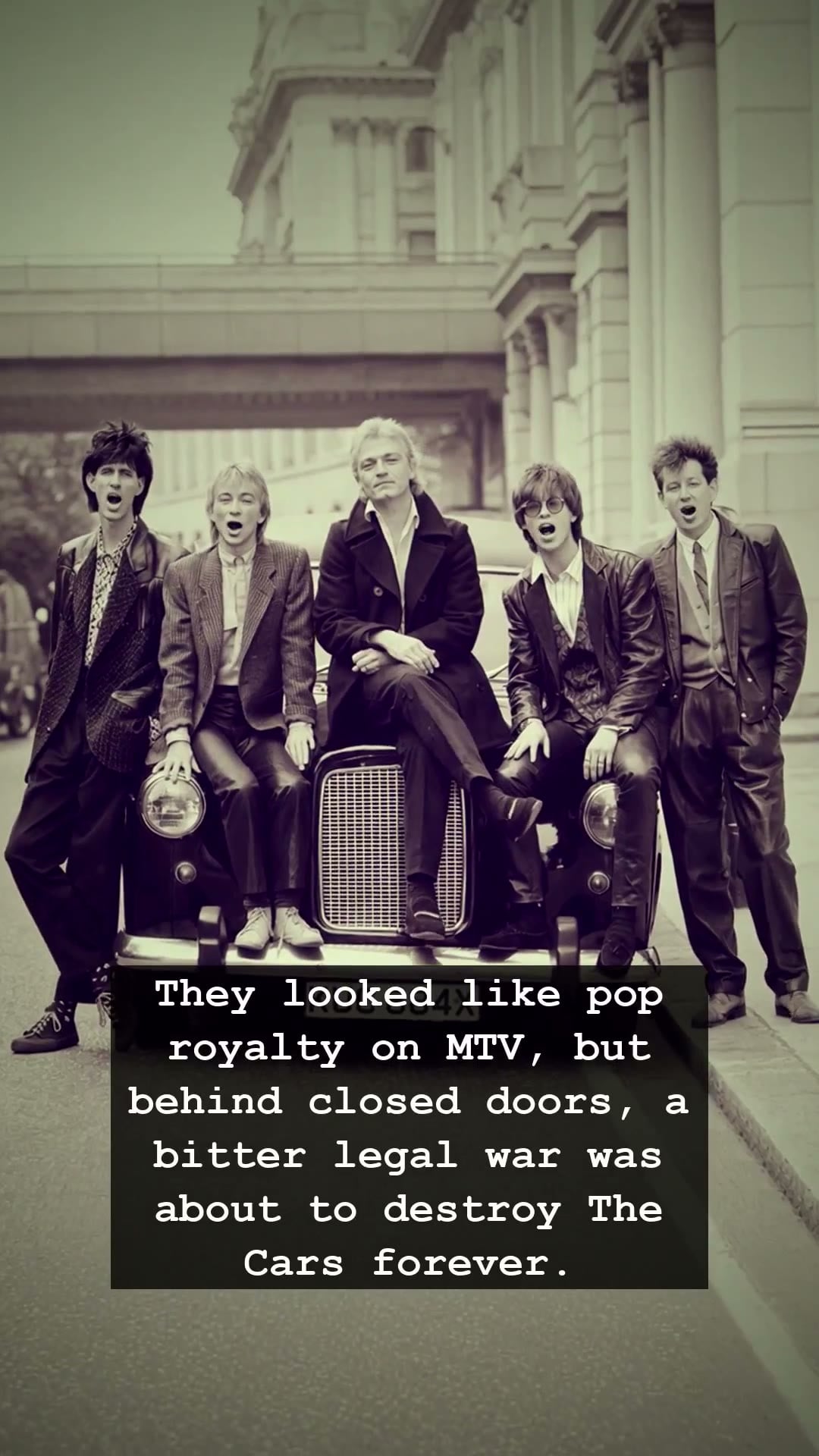
In 1988, if you flipped on MTV, the slick, neon-drenched aesthetic of The Cars seemed to define the peak of pop royalty. With hits like Drive and You Might Think, the band occupied a throne of polished New Wave success, their music echoing from every Walkman and jukebox across America. They looked like the perfectly calibrated machine of the decade, yet behind the shimmering synthesizers and the cool, detached persona of Ric Ocasek, a silent, bitter legal war was brewing. This was not the rock and roll excess of shattered hotel rooms, but a cold, calculated dismantling of trust that would eventually drive a stake through the heart of one of the era’s most influential bands.
To understand the fragility of The Cars, one must look at the era that birthed them. Emerging from the Boston scene, they perfectly bridged the gap between punk’s jagged edges and the refined electronic pulse of the eighties. They were the masters of the studio, crafting soundscapes that felt both futuristic and deeply rooted in classic pop hooks. But success is a heavy burden, and as the royalty checks grew larger and the pressures of the industry intensified, the camaraderie that once fueled their rise began to erode. While audiences were busy singing along to their anthems, the members were buried in a quagmire of contracts, songwriting credits, and long-simmering resentment.
The tension within The Cars reached a breaking point that remained largely hidden from the public eye. While the music industry celebrated their massive commercial achievements, the legal battles were tearing the brotherhood apart behind closed doors. It is the classic tragedy of the golden age of rock: the moment the art becomes secondary to the ledger. For fans, the sudden disintegration of the group felt like a shock, but for those inside the inner circle, the silence that followed the breakup was a long time coming. The irony remains that their most polished, high-gloss hits were produced while the foundation of the band was crumbling under the weight of litigation.
Why does this story still resonate today? Because it reminds us that the giants of our musical past were just as human and flawed as the rest of us. We often view these bands through the hazy lens of nostalgia, remembering only the soaring choruses and the iconic music videos. Yet, the history of The Cars is a poignant reminder that even the most cohesive artistic vision can be derailed by the cold reality of business. They defined the sound of a decade, yet they could not overcome the personal divides that transformed their legacy from a triumphant story into a cautionary tale of success.
As we look back at the late eighties, it is worth revisiting their catalog, not just for the catchy hooks, but to hear the subtle tension hidden within the polished production. The Cars remain a monumental chapter in American rock history, proving that even as the world moves on to new sounds, the drama behind the hits never truly loses its sting. The next time you spin their records, listen closely to the lyrics; you might just catch the echo of a band that was quietly falling apart while the world was watching.