
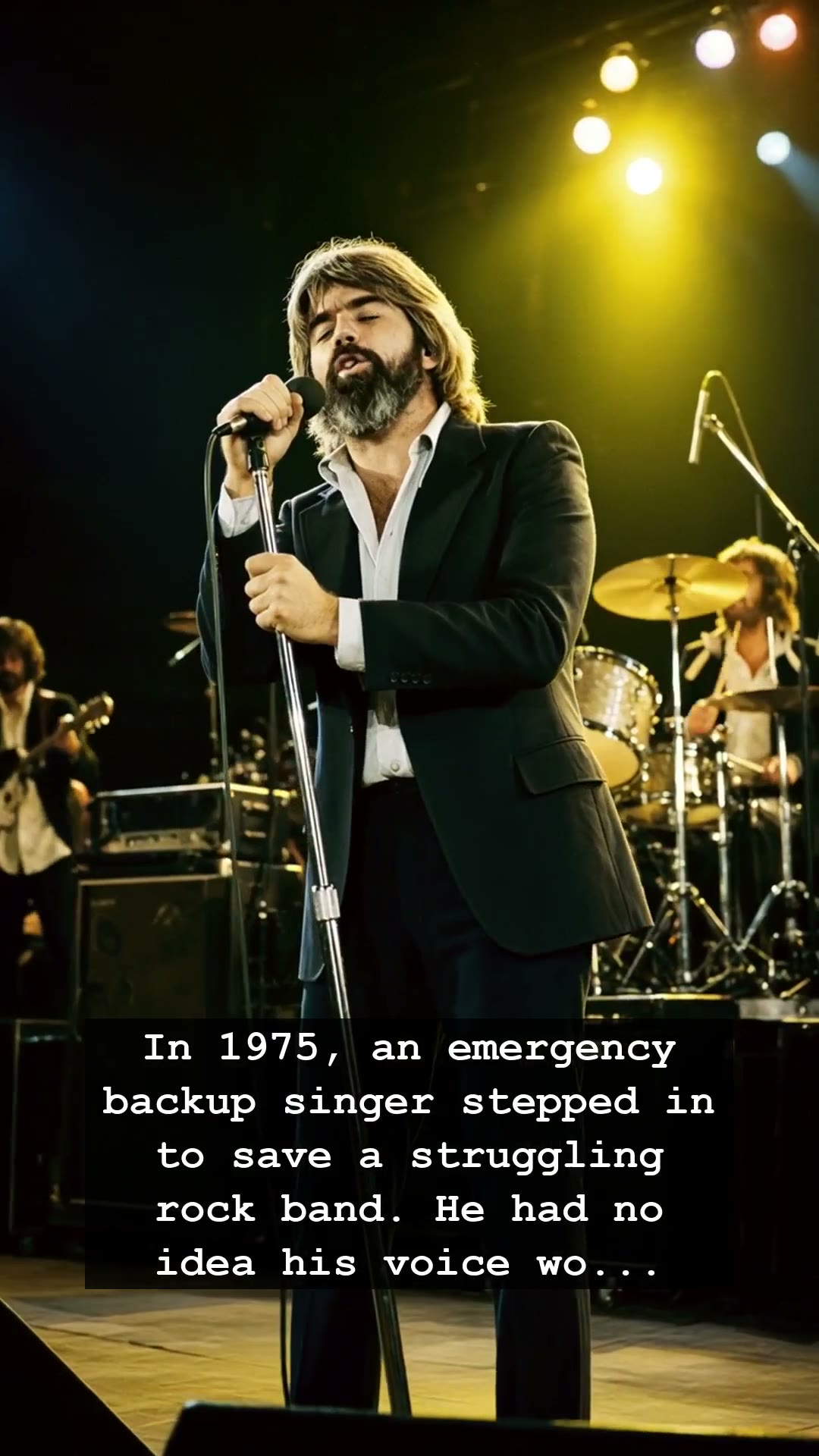
In 1975, the air in the recording studio was thick with exhaustion and desperation. The Doobie Brothers, a rugged, leather-clad biker band known for the gritty, hard-driving rhythms of hits like China Grove, were facing an existential crisis. Lead singer Tom Johnston was sidelined by a severe illness, leaving the band with a tour looming and no voice to anchor their sound. Enter Michael McDonald, a then-unknown session musician with a soft, gospel-tinged vocal style that was worlds apart from the band’s signature gritty rock aesthetic. No one in the room could have guessed that this emergency fill-in would end up permanently hijacking their legacy and steering the group into uncharted waters.
At the time, the transition felt like a bizarre experiment. Michael McDonald brought with him a complex, jazz-inflected sensibility that challenged the band’s core identity. When he stepped up to the microphone, the raw, Americana-drenched grit of the Doobie Brothers suddenly dissolved into a silky, sophisticated blue-eyed soul. It was a jarring departure that polarized the band’s original fanbase, yet, in the era of the burgeoning FM radio sound, it was a stroke of genius. Tracks like Takin’ It to the Streets showcased a polished, radio-friendly production that captured the changing mood of the late seventies, moving away from the biker bar anthems toward something much more urbane and polished.
This shift was not without its internal friction. As Michael McDonald asserted more creative control, the transition felt like a slow-moving earthquake within the group. Old-school fans who had embraced the band for their raw, Southern rock energy found themselves listening to a different entity entirely. Yet, there is something undeniably magnetic about the tension captured in those late-seventies recordings. It is the sound of a band wrestling with its own identity, forced to adapt to the pressure of success and the shifting cultural tides of an era where disco was rising and the gritty rock of the early seventies was beginning to fade into memory.
The genius of Michael McDonald lay in his ability to make sophisticated, chord-dense arrangements feel effortless and essential. He didn’t just sing; he wove a tapestry of soul that defined the late seventies’ soundscapes. By the time their massive hit What a Fool Believes arrived, the transformation was complete. The Doobie Brothers had become the architects of a new sound, leaving their biker roots in the rearview mirror of a 1979 tour bus. It remains one of the most successful and controversial sonic reinventions in the history of rock and roll.
Today, the legacy of this era continues to resonate through the speakers of classic rock radio, reminding us of a time when boundaries between genres were meant to be blurred. While some purists still mourn the loss of the original biker grit, one cannot deny the sheer craft behind the shift. Michael McDonald became the unlikely face of a band that defied expectations, proving that sometimes, the most enduring music is born out of the most unlikely emergencies. It is a testament to the fact that when you change the voice, you change the story forever.