
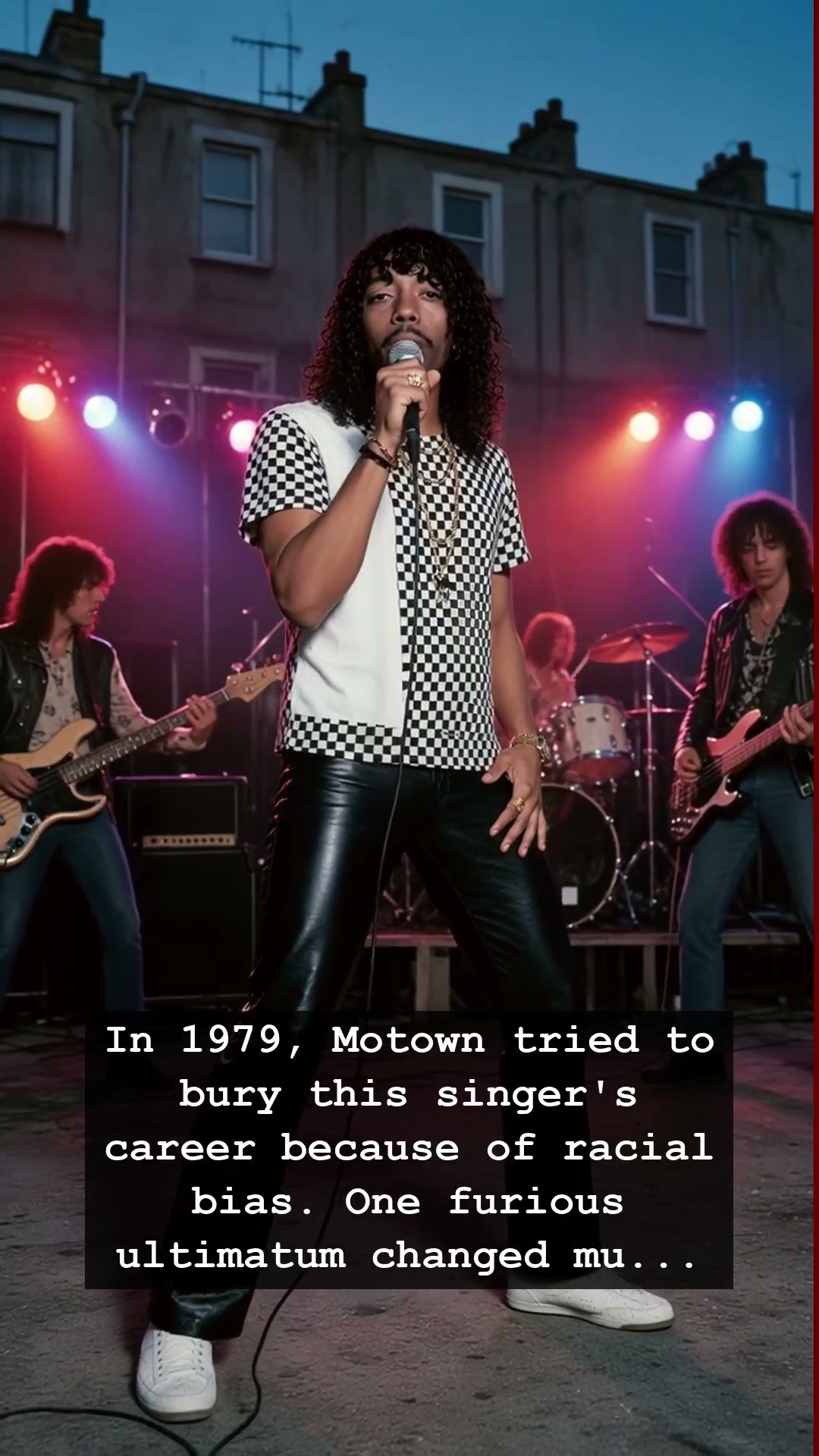
It was 1979, an era defined by the glitz of Studio 54 and the electric hum of the underground disco scene. Beneath the glitter, however, the music industry was a landscape of rigid lines and racial barriers that were rarely crossed. A young, powerhouse vocalist named Teena Marie was waiting in the wings of Motown Records, but the label executives were hesitant. They feared that a white woman singing R&B and soul wouldn’t resonate with the core Motown audience. They were ready to bury her career before it even began, keeping her voice trapped in the vault because they didn’t think she fit the mold.
Enter Rick James, the flamboyant, dreadlocked king of punk-funk. Fresh off his own successes, Rick James heard the raw, gospel-infused power in Teena Marie’s voice and saw past the industry’s narrow optics. He didn’t just see a singer; he saw a kindred spirit and a musical prodigy. The story goes that when Motown officials stubbornly refused to release her debut, a furious Rick James marched into their offices and slammed his fist on the mahogany desk. He issued a blunt ultimatum: if Teena Marie wasn’t signed and promoted, he would walk away from the label entirely. He risked his own massive standing to prove that talent had no color.
This act of defiance changed the trajectory of soul music forever. When the world finally heard Teena Marie, the doubts of the executives evaporated instantly. Her voice was not just good; it was a revelation. Alongside her mentor Rick James, she became a force of nature, delivering hits that pulsated with the same grit and groove that dominated the airwaves of the late seventies. They were more than just colleagues; their creative partnership was a fusion of soul and attitude that broke every conventional barrier of the time. Together, they proved that authentic rhythm comes from the heart, not from a marketing department’s checklist.
Looking back, this moment feels like a lightning strike in the history of Motown. While the era was obsessed with the rise of the Walkman and the shifting tides of pop, Rick James and Teena Marie were busy crafting a legacy that transcended the radio charts. Their bond was tested by the pressures of fame, the weight of expectation, and the dark reality of substance abuse that lurked in the corners of that high-octane decade. Yet, their music remained untarnished, a testament to a mentor who believed in his protegee when the rest of the world turned a blind eye.
Today, the story of Rick James and Teena Marie resonates because it serves as a reminder of the power of genuine artistic belief. It is a story of courage in an industry built on calculation. Their collaboration remains a staple for anyone who truly loves the soulful, funky heartbeat of the American music scene. So, pull out your old records, let that needle hit the groove, and remember the girl with the powerhouse voice who almost never got the chance to be heard, and the legend who fought the system to ensure her music survived.