
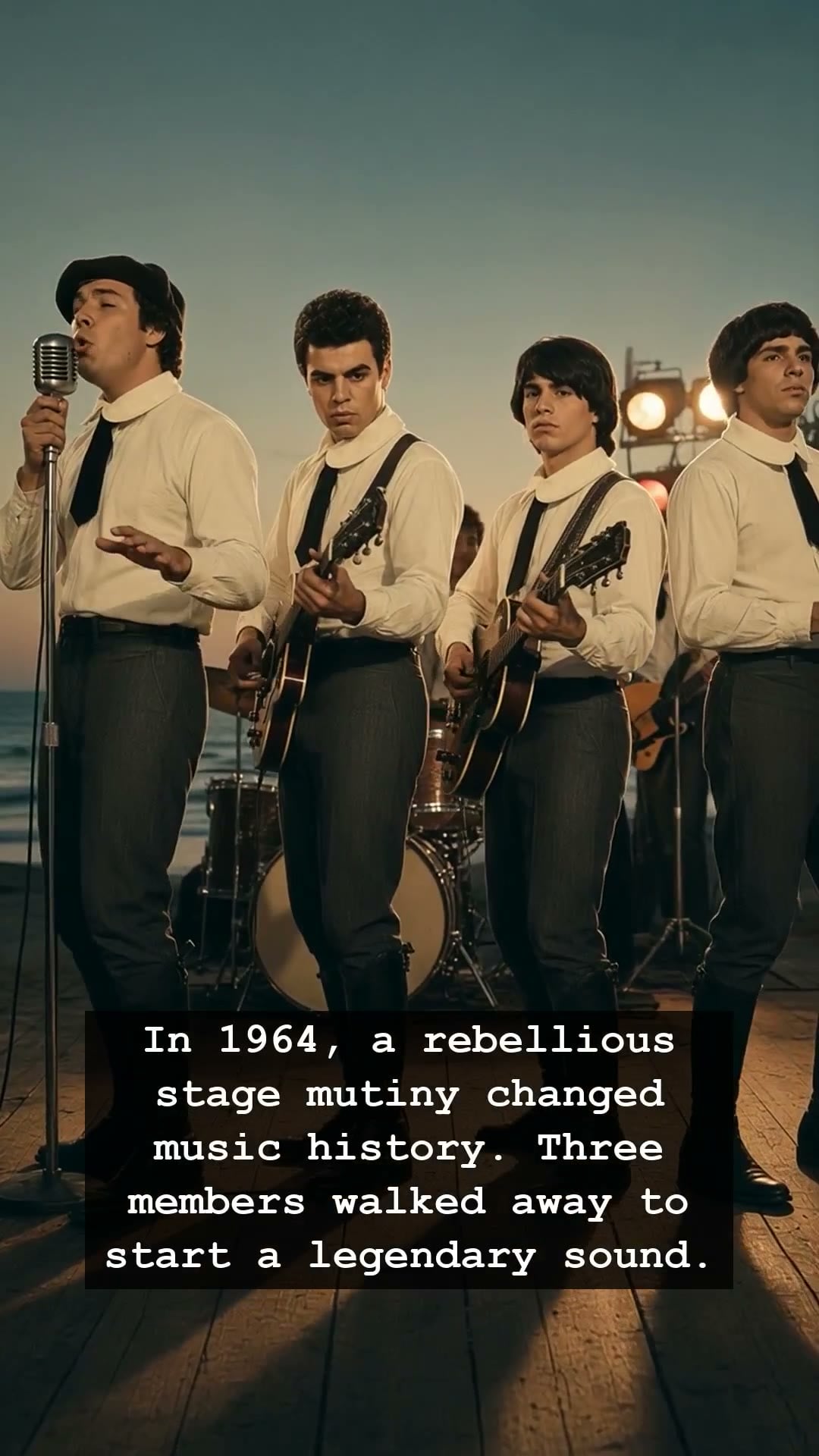
The year was 1964. The air in America was thick with the scent of hairspray, cheap cigarettes, and the electric hum of jukeboxes ready to burst. It was a time when the British Invasion was knocking on the door, yet in the dimly lit, smoke-filled clubs of the East Coast, a different kind of revolution was brewing. A brutal, grinding tour had pushed a group of musicians to their absolute breaking point. In a moment of sheer, rebellious defiance, three fed-up band members decided they had finally endured enough. They walked away from their crew and their contracts right in the middle of a tour, choosing the uncertainty of an unknown future over the chains of a failing project. This wasn’t just a breakup; it was a mutiny that would soon ignite the fiery, blue-eyed soul revolution known as The Young Rascals.
Felix Cavaliere, Eddie Brigati, and Gene Cornish were tired of being mere background players in someone else’s tired story. They craved a sound that captured the raw, gospel-infused heat of the streets combined with the sophistication of Atlantic Records studio sessions. As they stepped out from the shadows of that disastrous tour, they brought with them a sense of urgency that resonated with a generation trapped between the fading innocence of the early sixties and the impending cultural explosion of the era. The Young Rascals were born out of that friction, fueled by the kind of artistic tension that only comes from leaving everything behind to chase a phantom sound.
By the time they hit the mainstream, The Young Rascals were redefining what it meant to be a white band playing soul music. They weren’t imitating; they were channeling. While the radio waves were being overtaken by the melodic charms of the pop explosion, The Young Rascals brought a Hammond B3 organ-heavy groove that turned every dance floor into a sanctuary. Songs like Good Lovin’ and Groovin’ became the anthems of a generation learning to find its rhythm. Their sound was the perfect bridge between the rhythmic grit of the inner city and the suburban yearning of the Baby Boomer youth who were just beginning to wake up to the world.
But the cost of that success was often hidden behind the velvet curtains of the era. The Young Rascals existed in a world where the pressure to stay relevant was constant. They navigated the transition from the intimacy of club gigs to the deafening roar of arena rock, always carrying the weight of that initial, volatile departure. The legacy of their mutiny is a reminder that some of the greatest music in history didn’t emerge from comfort or consensus, but from the fiery, scorched-earth decision to demand something better from the universe.
Even today, listening to the soaring vocals and the tight, percussive arrangements, one can almost feel the grit of 1964. The Young Rascals didn’t just play music; they captured the spirit of a rebellion that chose authenticity over safety. Their journey reminds us that in the world of classic rock and soul, the most profound turning points often occur when someone decides they have finally had enough of the status quo. If you listen closely to the crackle of a vintage vinyl, you might just hear the echo of three men walking out into the night, ready to change the world one soul-drenched note at a time.