
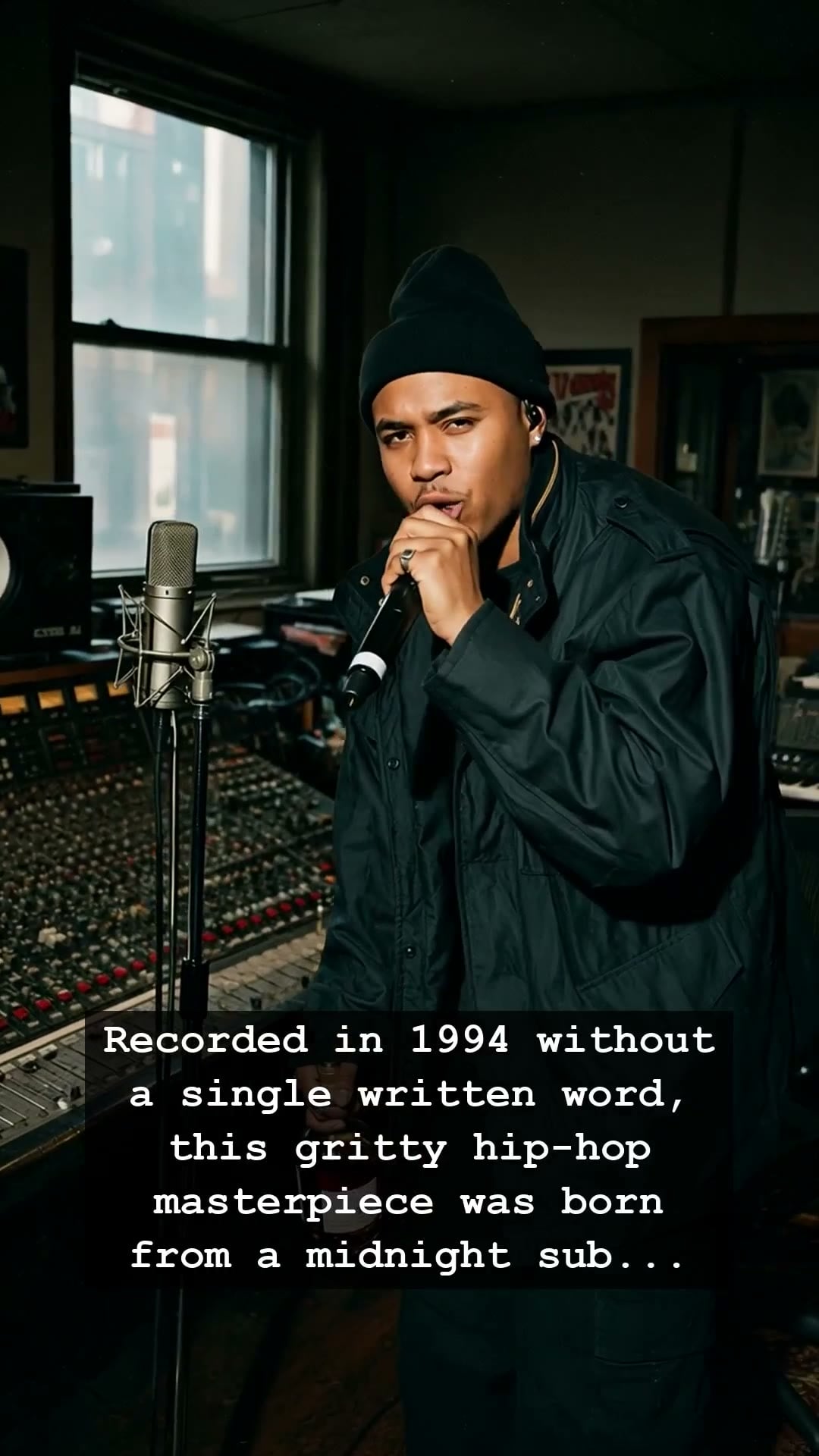
The year was 1994, a time when the rhythmic hum of the subway was the true heartbeat of New York City. While the glossy glow of early MTV began to polish the edges of popular culture, a young poet named Nas walked into a smoky, claustrophobic studio with nothing but a mind full of vivid, unfiltered urban memories. He did not carry a notebook. He did not clutch a crumpled piece of paper filled with scribbled lyrics. Instead, he stood before the microphone and birthed an immortal masterpiece of hip-hop entirely from the theater of his own consciousness. It was a raw, visceral act of creation that felt less like songwriting and more like a midnight confession poured out onto a cold recording track.
Nas was a prodigy of the concrete, a storyteller who could paint the grit of Queensbridge with the precision of a classical painter. As he navigated the landscape of the early nineties, the pressure to produce hits was immense, but he chose to capture the soul of the streets instead. Every syllable he breathed into that studio microphone that night felt heavy with the weight of reality. There were no shortcuts, no ghostwriters hiding in the shadows of the booth, just the pure, unadulterated flow of a man witnessing the decline and the beauty of his environment. This was the era of the Walkman, where the youth of America were permanently tethered to the cassette tapes that served as their personal soundtracks, and Nas was about to dominate their headsets for decades to come.
The genius behind this legendary session lay in its spontaneity. By refusing to commit his rhymes to paper, Nas ensured that his delivery remained fluid, jagged, and unpredictable—a reflection of the restless energy that defined 1994. The sonic landscape of his work captured the dark, industrial echoes of the city, perfectly mimicking the rhythm of the trains that rumbled beneath his feet. It was a time of transition, where the street-level authenticity of hip-hop was starting to collide with the massive machinery of the music industry. Yet, in that darkened studio, none of that noise mattered. There was only the beat, the rhythm, and the terrifyingly clear vision of a lyricist who knew exactly what he wanted to say.
Looking back, it is staggering to realize how much the world of music has changed since that midnight session. We now live in an age of digital perfection and processed vocals, yet we still find ourselves returning to the scratchy, authentic honesty of Nas. His ability to craft complex narratives without a single written word remains a gold standard for artistic integrity. It serves as a reminder that the most profound contributions to culture often happen when the artist strips away the safety nets and stands completely exposed, trusting only their instincts and their lived experience.
The legacy of Nas continues to echo through the halls of music history, bridging the gap between the golden age of hip-hop and the modern era. When you listen to those tracks today, you are not just hearing rhymes; you are hearing the heartbeat of a specific moment in time—a moment when New York City felt like the center of the universe. It was a fleeting, electric instance where art transcended the limitations of the medium, proving that real talent does not require a pen, only a story that needs to be told before the sun comes up. Perhaps it is time you stepped back into the shadows of 1994 and listened to his masterpiece once more.