
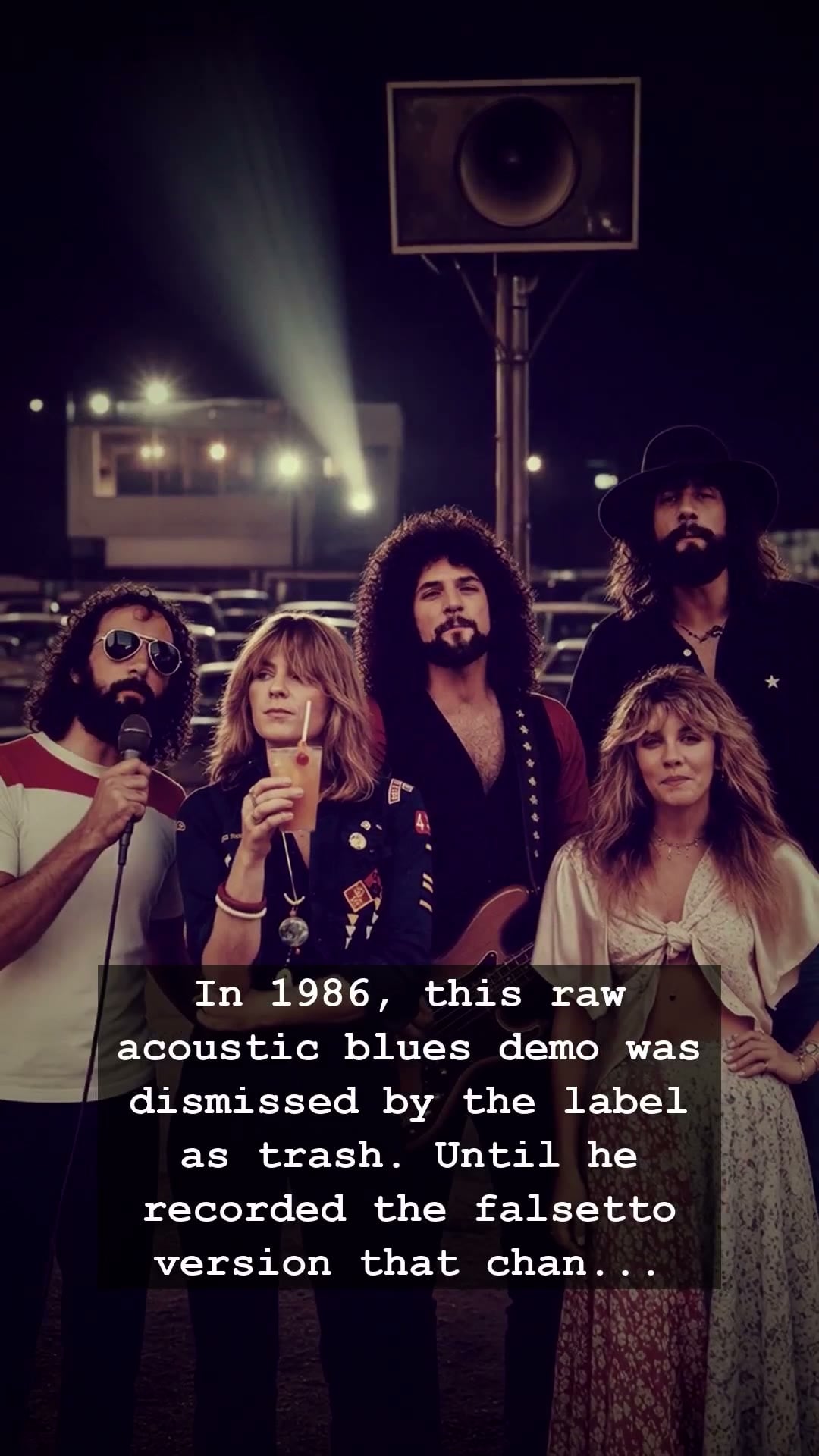
In the cold, sterile hallways of 1986 record label offices, the sound of raw, unpolished blues was rarely welcomed by executives obsessed with the synthesizer-heavy sheen of MTV. When Prince presented a gritty, stripped-back acoustic demo, the industry suits did not hear genius; they heard a mistake. They dismissed the recording as total garbage, completely failing to recognize the volcanic talent emanating from the man who would eventually redefine the sound of the eighties. It was a classic clash between artistic vulnerability and corporate expectations, a moment where the genius of Minneapolis almost fell through the cracks of a industry addicted to perfection.
Prince was never one to conform to the boxes defined by labels or radio formats. He thrived in the shadows of his own creation, constantly shifting between the funk of the Jukebox era and the experimental landscapes of his psychedelic whims. When he was told his demo lacked the commercial viability required for his next big project, he did not walk away. Instead, he retreated into the sanctuary of his home studio, peeling back the layers of sound until only the core of the song remained. It was within this solitude that an accidental falsetto—a high, haunting tone that would become his sonic signature—birthed a global monster of a track that the world was simply not prepared to hear.
That specific 1986 session captures the essence of a musical polymath at the height of his powers. By stripping away the heavy production, Prince allowed the raw nerves of his songwriting to be exposed. The industry executives wanted hit records that fit the polished, plastic aesthetic of the mid-eighties, but Prince wanted to capture a feeling that was visceral, painful, and human. The resulting transformation from a rejected acoustic experiment to a chart-topping anthem remains one of the most compelling stories of creative defiance in modern music history.
When that falsetto eventually hit the airwaves, it dismantled the skepticism of every suit who had dared to call his work trash. It was a reminder that behind the velvet suits, the mysterious aura, and the iconoclastic stage persona, Prince was a musician deeply rooted in the traditions of blues and soul. He didn’t just write music for the charts; he built sonic architecture that challenged the status quo. His ability to turn a dismissive critique into a masterpiece is a testament to the iron-willed dedication he poured into his craft, a trait that cemented his status as a legendary figure whose shadow still looms large over the current musical landscape.
Decades later, the story of this forgotten demo resonates as a cautionary tale against judging art by the narrow metrics of the boardroom. It invites us to listen closer to the raw, unfiltered sounds that exist before the polish is applied. Prince taught us that the difference between trash and treasure is often nothing more than the courage to be unconventional. As we look back on the era of Walkmans and neon lights, we are reminded that true legends are not made in the conference rooms, but in the moments where they dare to ignore the noise and trust their own voice.