
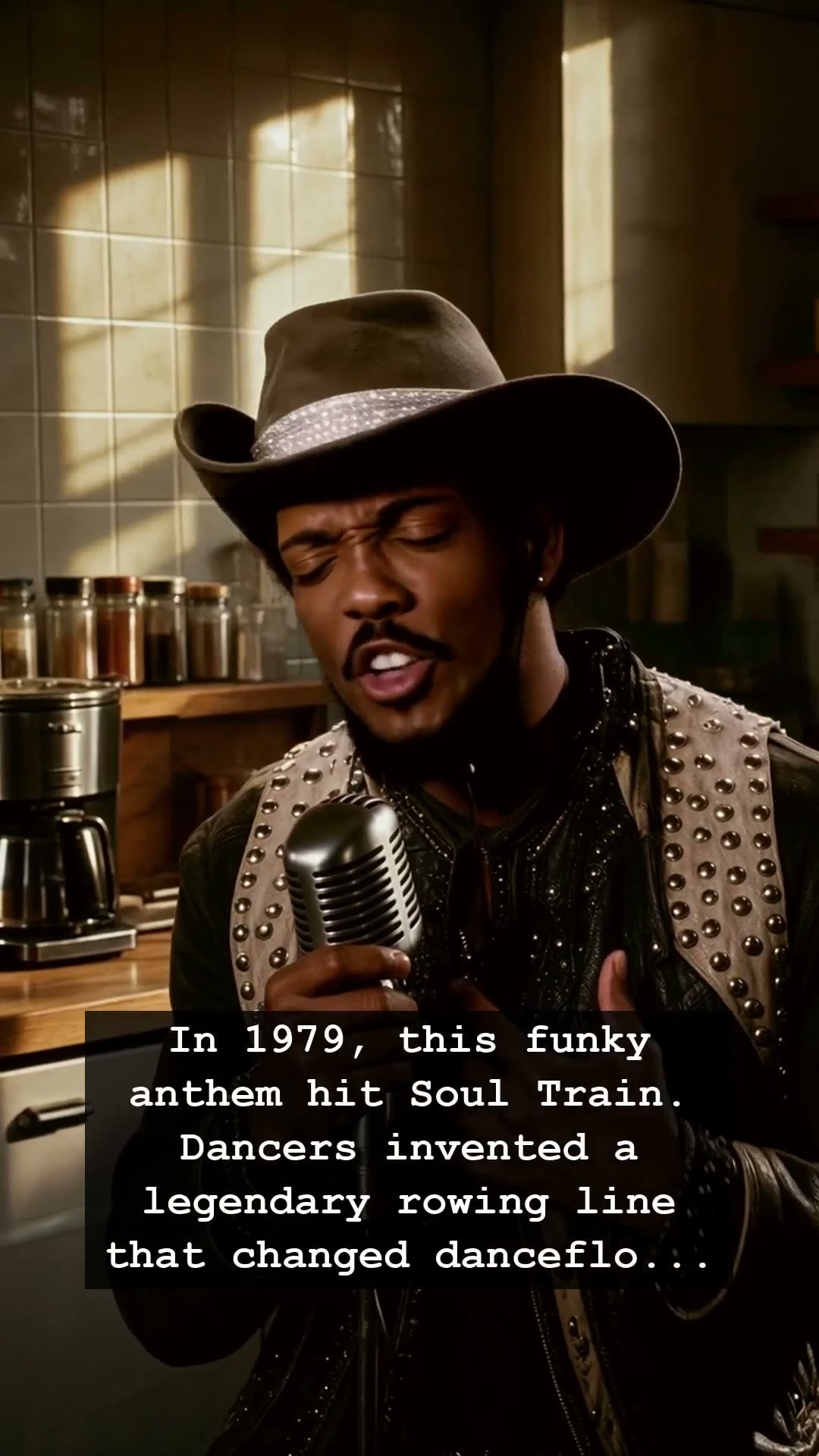
It was 1979, and the air in television studios felt different. The era of disco was reaching its neon-soaked zenith, but beneath the glitter of Studio 54, something grittier and far more soulful was bubbling up. When The Gap Band stepped onto the legendary Soul Train stage, they weren’t just there to promote a track; they were there to detonate a cultural shift. As the bassline of their hit kicked in, a strange, infectious electricity swept through the room. Suddenly, the dancers didn’t just sway; they hit the floor, sat in a perfect row, and began a synchronized, rhythmic motion that felt like a collective heartbeat. That spontaneous moment birthed the rowing line, a dancefloor staple that would define generations of parties to come.
The Gap Band, formed by brothers Charlie, Robert, and Ronnie Wilson in Tulsa, Oklahoma, had spent years honing their craft in the shadows before achieving this meteoric rise. Their sound—a masterclass in tight funk arrangements, brassy horns, and the unmistakable gospel-tinged vocals of Charlie Wilson—provided the perfect backdrop for this cultural earthquake. By the time they hit that Soul Train set, they were already seasoned veterans of the road, having navigated the grueling landscape of the 70s music industry where bands often lived or died by the strength of their live performances. They brought a raw, blue-collar energy that stood in stark contrast to the more polished, manufactured acts of the late seventies.
Looking back at that footage today, you can feel the sweat and the sheer joy of a pre-digital era. It was a time before carefully choreographed music videos dominated our screens, when a song’s legacy was forged in the heat of a live performance. The Gap Band understood this better than anyone. That iconic rowing dance wasn’t a rehearsed stunt; it was a pure, organic reaction to the irresistible groove they had created. It captured the essence of the funk movement, where the music wasn’t just something you listened to—it was something you inhabited with your entire body. For those who were there, it was a moment of pure, unadulterated release.
Yet, the story of The Gap Band is also one of immense perseverance. Like many legends of the soul and funk era, they faced their share of industry pressure and personal turmoil, battling the dark side of fame that claimed so many of their peers. Despite the chaos, their music remained a beacon of consistency. They navigated the transition from the golden age of funk into the synth-heavy soundscapes of the early 80s with grace. Today, when you hear those familiar notes, it’s not just a song; it’s a time machine that transports you back to a world of Jukeboxes, polyester suits, and the communal magic of the dancefloor.
Even decades later, the influence of that 1979 Soul Train moment remains undeniable. The rowing line has been echoed in countless music videos and club nights since, serving as a silent tribute to the power of a great song. When we look back at the history of American music, we often focus on the solo stars, but it is the communal, shared experiences fostered by bands like The Gap Band that truly built the soundtrack of our lives. They gave us more than just a hit; they gave us a language of movement that still speaks to us every time the beat drops. Do you remember the first time you saw it, or perhaps the first time you joined the row?