
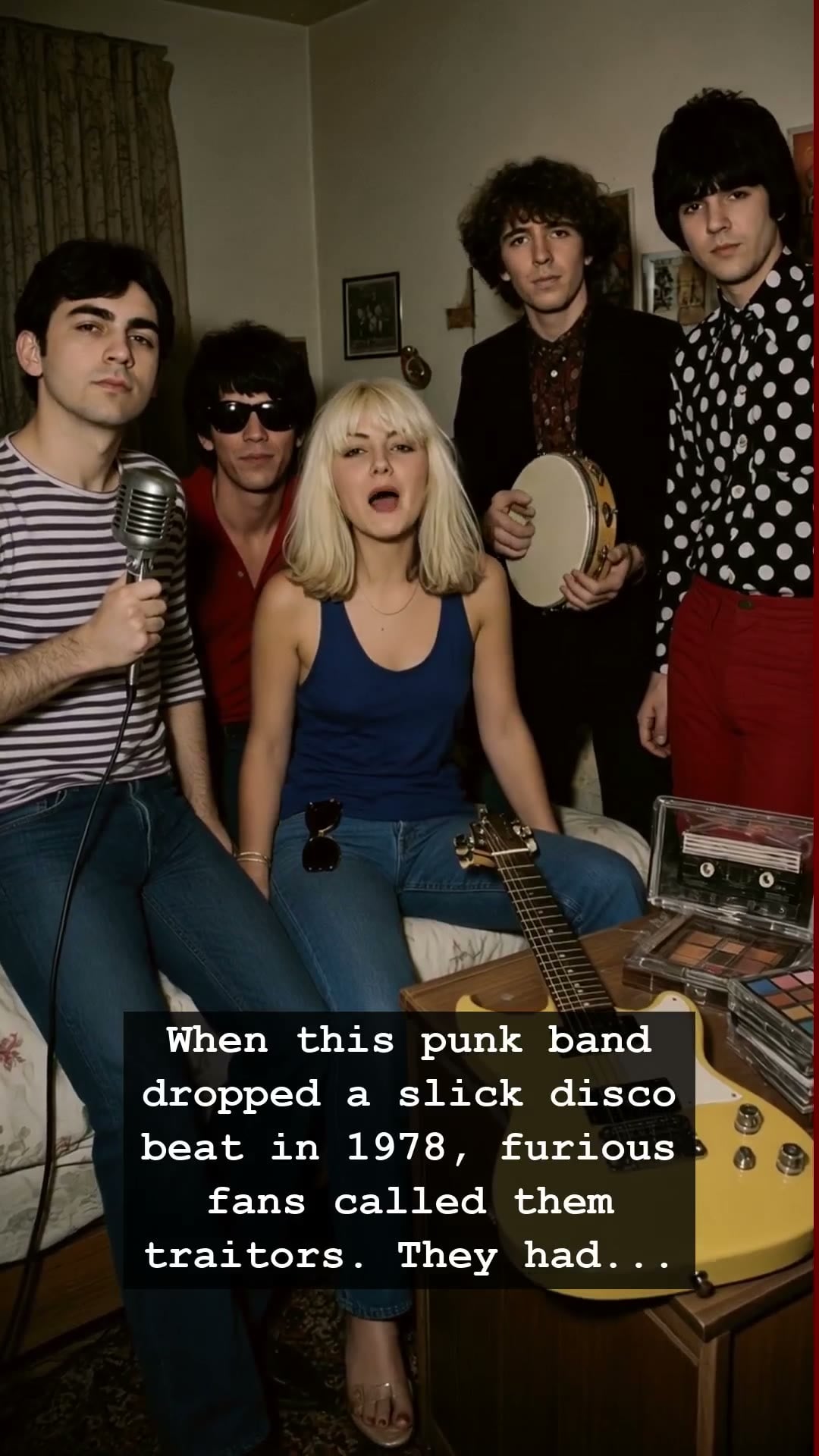
The year was 1978. The grimy, sweat-soaked walls of CBGB in New York City were the sacred cathedral of punk rock. Fans lived for the raw, distorted feedback and the anti-establishment ethos that defined the scene. Yet, from the epicenter of this rebellion emerged a band that dared to do the unthinkable: they invited a disco beat into their gritty, punk-infused world. When Debbie Harry and Blondie dropped the iconic hit Heart of Glass, the backlash was immediate and vitriolic. Die-hard punk purists didn’t just dislike the song; they labeled the band total sellouts, traitors who had traded their leather jackets for the strobe lights of the mainstream.
It is difficult to overstate just how shocking this pivot felt at the time. Blondie had been the darlings of the downtown underground, with Debbie Harry serving as the platinum-blonde face of cool, effortless defiance. But beneath the surface, the band was experimenting with sound in a way that bridged the gap between the frantic energy of the Bowery and the sophisticated glitz of Studio 54. This wasn’t just a musical experiment; it was a high-stakes gamble with their identity. The band members knew they were alienating their core demographic, yet they couldn’t ignore the infectious, hypnotic pulse of the disco rhythm that was dominating the airwaves.
The irony, of course, is that while the punk scene screamed betrayal, the rest of the world was catching fire. Heart of Glass soared to the top of the charts, transforming Debbie Harry into an international pop icon overnight. The song’s shimmering production and her detached, breathy vocals created a unique aesthetic that felt both alien and irresistible. It was a masterclass in genre-bending, proving that the rigid boundaries set by music critics were merely suggestions. As the song blasted from jukeboxes and radios across the globe, it became clear that Blondie had not sold out; they had successfully expanded the definition of what punk could actually be.
Looking back, this moment stands as a defining turning point in pop history. The friction between the gritty reality of the late seventies and the shiny promise of the coming decade was perfectly captured in Debbie Harry’s performance. She navigated the transition with a haunting nonchalance, forever altering the trajectory of New Wave music. The drama surrounding the song’s release serves as a reminder of how protective fans can be of their subcultures, yet it also highlights the artist’s necessity to evolve or risk fading into obscurity.
Today, the legacy of that daring decision remains untarnished. We no longer see the clash between disco and punk as a tragedy, but rather as one of the most brilliant creative risks in the history of rock. Debbie Harry remains an enigma, a symbol of a time when music felt dangerous, transformative, and deeply human. Next time you find yourself tapping your feet to those synths, remember that the song was born from a storm of controversy that nearly tore a band apart. Some risks, it seems, are worth the noise.