
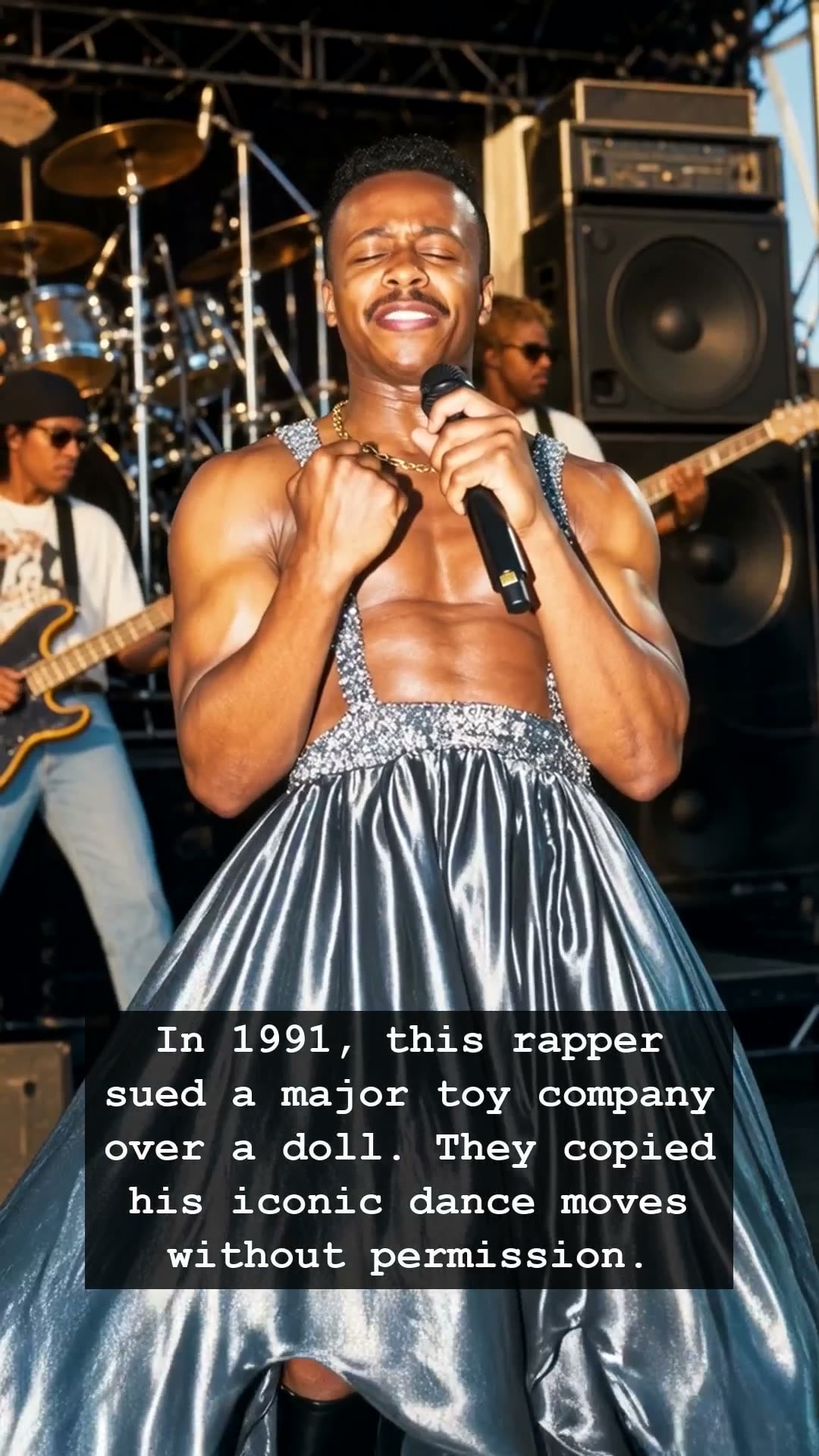
It was 1991, the golden era of the Walkman, where the pulse of music was defined by the infectious, high-energy beats of MC Hammer. His baggy pants were the standard-bearer of pop culture fashion, and his signature dance moves had captured the imagination of millions around the globe. Yet, behind the bright lights of the MTV music video rotation and the multi-platinum success of his albums, a storm was brewing. MC Hammer found himself locked in a surreal, multi-million dollar courtroom battle that would forever alter how artists viewed their own intellectual property. The target of his legal wrath? A major toy manufacturing giant that had dared to create a doll shamelessly mimicking his likeness and iconic footwork without his permission.
To understand the gravity of this moment, one must remember how dominant MC Hammer was in the cultural landscape of the early nineties. Following the explosion of the late eighties hip-hop movement, he transitioned from a regional talent into a global superstar. Every kid wanted to learn the MC Hammer slide, and the market was ripe for merchandise. However, when the toy company released a figure that bore an uncanny resemblance to the rapper—complete with the signature stage antics—they crossed a line that the artist could not ignore. This wasn’t just about a plastic toy; it was about the sanctity of a brand he had meticulously built from the ground up.
This dispute exposed the darker side of fame during a decade where the line between an artist’s persona and commercial property became increasingly blurred. As the lawsuit gained traction in the media, it highlighted a significant shift in the music industry. Artists were no longer just musicians; they were empires, and they were finally demanding to be treated as such. The courtroom drama served as a wakeup call to corporations that had previously treated pop culture icons as public domain assets. It was a classic clash between old-school corporate greed and the burgeoning power of the modern music celebrity.
Beyond the legal jargon and the headlines, the story serves as a vivid reminder of the sheer visibility MC Hammer commanded during that era. It was a time when the Jukebox culture was dying, and the era of the high-budget, choreographed music video was at its peak. Every move MC Hammer made was studied, imitated, and copyrighted. While the legal battle was eventually resolved, the incident remains a quintessential piece of nineties pop history, reminding us that even the most fun-loving entertainers had to fight tooth and nail to protect their creative legacy from the machinery of the corporate world.
Looking back, the lawsuit over the doll serves as an emotional time capsule. It reminds us of a decade when the lines between entertainment, technology, and ownership were being rewritten in real-time. Whether you recall the days of tuning into MTV waiting for his latest video or you simply remember the craze of those legendary parachute pants, the story of MC Hammer serves as a testament to the resilience of the artist. The plastic doll might have been forgotten by many, but the man who stood up for his identity remains a permanent fixture of our collective musical memory. Do you remember seeing those dolls on the toy store shelves back in 1991?