
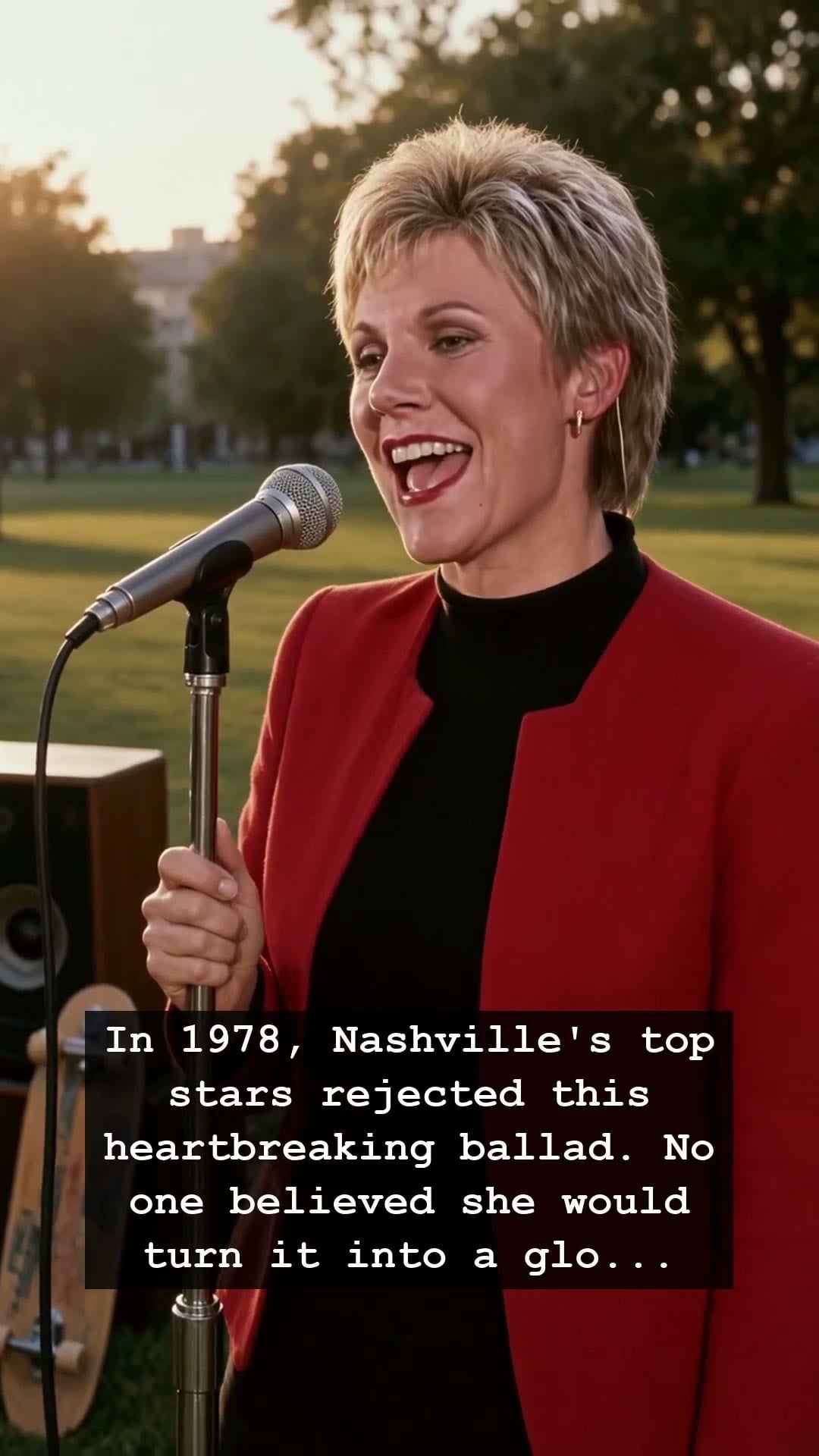
In 1978, the glittering lights of Nashville held a secret. Behind the polished veneer of the country music industry, a heartbreaking ballad was being passed around like a hot potato, rejected by the genre’s biggest heavyweights. To them, it was too soft, too pop, or simply destined for the bargain bin of musical history. They couldn’t have been more wrong. When Anne Murray finally got her hands on the demo for You Needed Me, she heard something the men in suits had missed: the raw, universal ache of genuine vulnerability. While the industry elite were chasing the ghosts of the jukebox era, Anne Murray was about to craft a timeless masterpiece that would bridge the gap between country storytelling and pop radio supremacy.
At the time, the airwaves were dominated by the fever of Disco and the emerging sounds of the MTV generation that was just over the horizon. Anne Murray, a voice from the North who had already proven her mettle, chose to ignore the skepticism of the Nashville gatekeepers. Recording the song wasn’t just a business decision; it was a defiant act of artistic intuition. She poured the weight of a thousand lost loves into every syllable, transforming a discarded track into a global smash hit that resonated with listeners in living rooms from small-town America to the bustling streets of London. It was a moment of triumph that proved talent will always find a way to cut through the noise of executive doubt.
The success of You Needed Me didn’t just top the charts; it redefined what a female artist could achieve in a male-dominated landscape. Anne Murray brought a graceful, understated intensity to the stage that stood in stark contrast to the flamboyant theatricality of the late seventies. While others relied on studio tricks or shocking stunts to sell records, she relied on the quiet, devastating power of her own voice. The track became a staple of the late night radio experience, the kind of song that felt like an intimate conversation between the singer and the listener, perfectly capturing the quiet melancholy of the era.
Looking back, the story of this song serves as a poignant reminder of how fragile the line between a forgotten demo and an enduring classic truly is. Anne Murray had the vision to claim the music that everyone else had abandoned, securing her place in the pantheon of country-pop icons. Her ability to elevate a rejected ballad into a worldwide phenomenon speaks to the deep, emotional connection she fostered with her audience—a connection that remains just as strong today as it was in the neon-flickering days of 1978.
Even decades later, the haunting melody of her greatest hit invites us to revisit the chapters of our own lives. It stands as a testament to the resilience of a song meant to be heard and the artist who dared to believe in it when no one else would. When you hear that opening chord, you are instantly transported back to a time of analog magic and authentic storytelling. Anne Murray didn’t just sing a song; she claimed a legacy, turning rejection into the kind of musical history that refuses to fade away.