
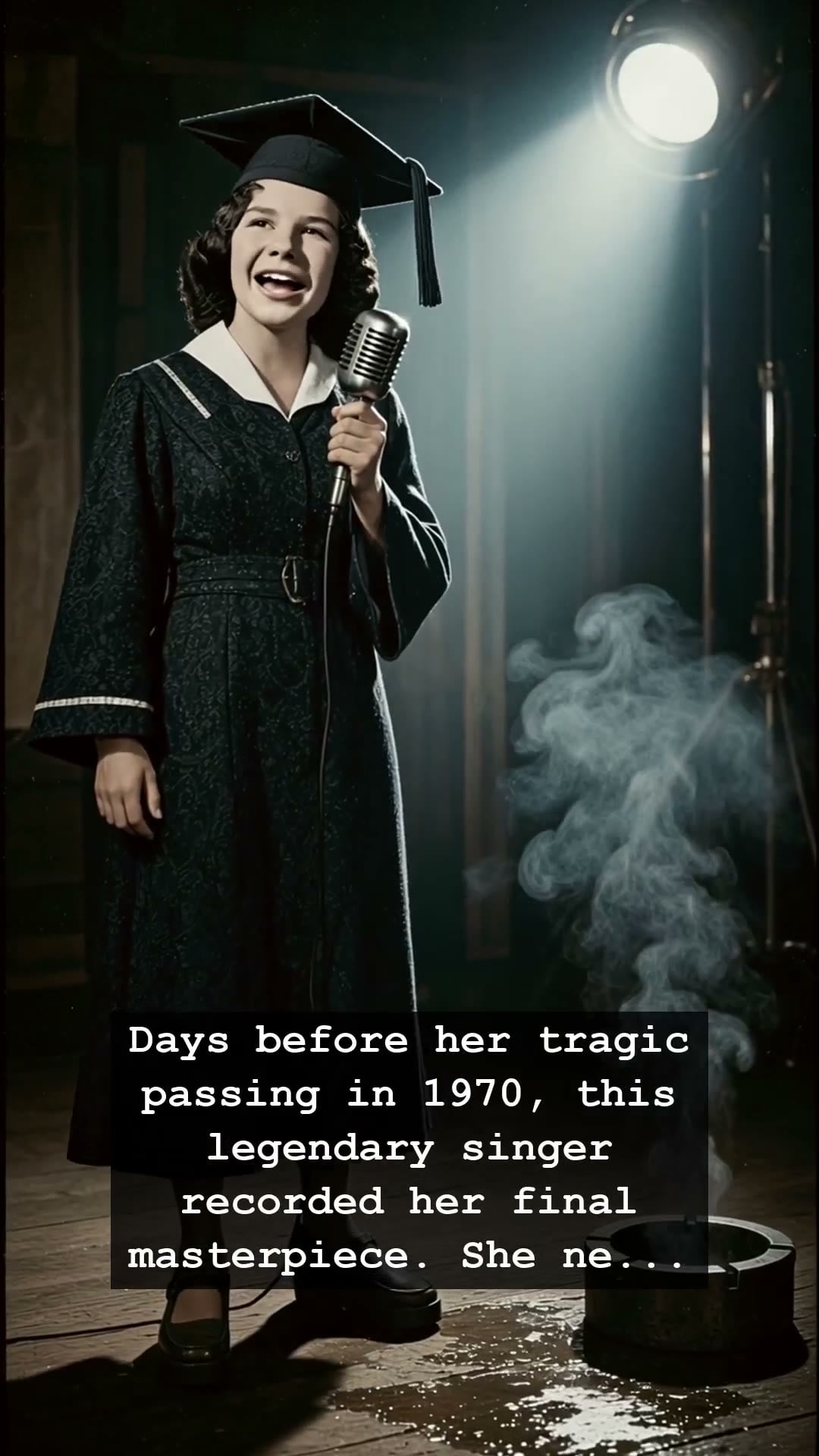
In the hazy, neon-drenched air of Los Angeles in September 1970, the air at Sunset Sound Studios felt heavier than usual. Janis Joplin, the raspy-voiced queen of the counterculture, stepped up to the microphone to lay down the final tracks for what would become her posthumous masterpiece, Pearl. The world outside was changing; the idealism of Woodstock was rapidly decaying into the cynical reality of a new decade, and the legendary singer was battling demons that no amount of fame could silence. She poured every ounce of her broken heart and raw, unbridled spirit into those recording sessions, unaware that time had already begun to run out.
Janis Joplin was a force of nature, a woman who wore her soul on the outside of her skin. Whether she was screaming through the blues-drenched riffs of Big Brother and the Holding Company or channeling the raw emotion of her solo work, she defined an era of profound transformation. As the 1960s faded into the history books, she remained one of the few artists who stayed unapologetically real in a business that thrived on polished lies. Yet, beneath the velvet voice and the trademark feather boas, the pressure of stardom and the relentless search for connection were taking a toll that even her most iconic performances could not mask.
Those final sessions were deeply personal. When she recorded songs like Me and Bobby McGee, she wasn’t just performing; she was excavating her own loneliness. The atmosphere in the studio was electric, shadowed by the looming transition into a grittier, harder rock landscape. She was surrounded by the tools of the trade—the vintage microphones, the analog warmth of the tape reels, and a band that felt like family. For a few fleeting hours, the chaos of the outside world vanished, leaving only the music. It is a haunting thought that she never had the chance to hear the final, mixed version of the record, or to see the massive impact it would have on the charts and the hearts of her fans.
Only days after leaving that studio, the tragic news of her passing shocked the globe, turning an already brilliant career into an immortal legend. The album Pearl became a cultural touchstone, serving as a time capsule for an era that valued authenticity above all else. Today, listening to those tracks feels like peering through a window into a past that is both beautiful and deeply scarred. The crackle of the vinyl, the soulful grit in her delivery, and the stories she left behind still resonate with those who remember the smell of incense and the revolution of the radio age.
Decades later, the legacy of Janis Joplin continues to influence every artist who chooses vulnerability over vanity. She remains a haunting reminder of the high cost of brilliance and the enduring power of music to capture a human soul exactly as it was. If you listen closely to the final echoes of those recordings, you can still feel the fire of a woman who burned too bright for this world to hold. Tell us, when you hear her voice, which memory of the golden age of rock comes rushing back to you?