
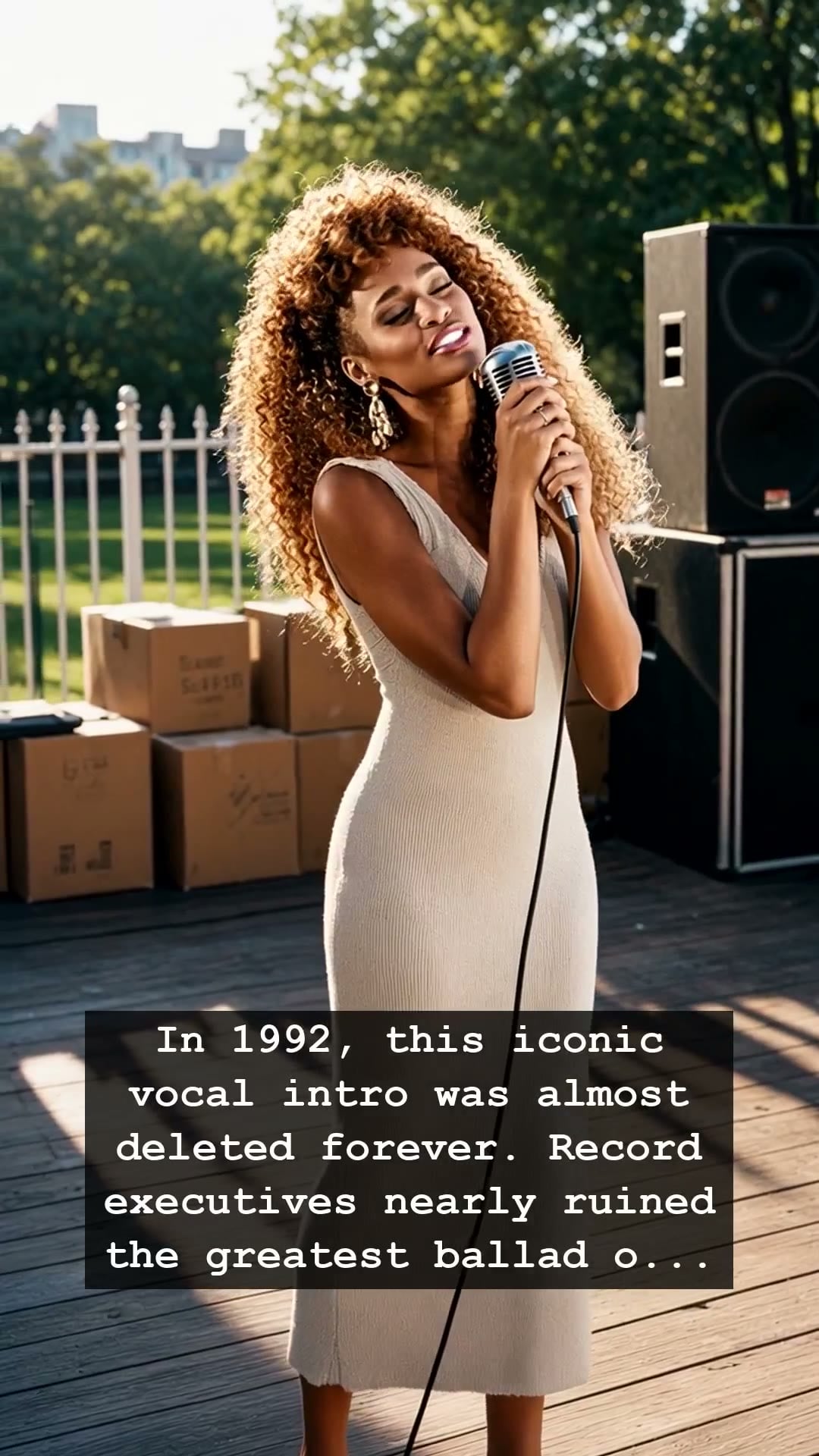
It is the sound that defines an entire generation of longing. That crystal-clear, breathy, and utterly vulnerable a cappella introduction to I Will Always Love You did not just announce a song; it announced a cultural phenomenon. Yet, for a few agonizing hours in a sterile boardroom in 1992, that iconic opening was destined for the cutting room floor. Record executives, worried about radio play and the lack of an immediate rhythmic hook, insisted that the song begin with the music. They wanted to strip away the very thing that made Whitney Houston the singular voice of her time: her raw, unaccompanied humanity.
The year was 1992, a time when the world was shifting from the neon-soaked excesses of the late eighties into the grittier, more introspective soundscape of the early nineties. The Bodyguard soundtrack was meant to be a blockbuster, and the pressure on Whitney Houston to deliver a commercial titan was suffocating. While the industry was obsessed with the rise of MTV and the encroaching dominance of synth-pop, Whitney remained tethered to the soul-stirring tradition of gospel-infused pop. When she stepped into the studio to record Dolly Parton’s country classic, she didn’t just sing it; she inhabited the silence between the notes. That opening verse was an instinctual choice, a moment of pure artistic bravery that nearly vanished because of corporate cold feet.
Imagine a world where that legendary film scene began without her haunting, ghostly vocal trail. It was only through Whitney Houston’s insistence and the quiet confidence of those who understood her instrument that the intro was preserved. When the track finally hit the airwaves, it shattered records, dominating the Billboard charts for fourteen consecutive weeks. It wasn’t just a hit; it was a societal touchstone. People heard it in their cars on their Walkmans, in grocery stores, and at every wedding across the globe. It became the definitive power ballad, a testament to how one woman could command a room without a single instrument playing alongside her.
Looking back at the trajectory of Whitney Houston, the near-deletion of that intro serves as a chilling reminder of the fragility of art. Behind the glitz of the red carpet and the roar of the arena, the industry was often a place of compromise. Yet, this moment of resistance by the singer stands as a beacon of her autonomy. It was an artist asserting that silence could be as powerful as a crescendo. The struggle to keep that intro was a small rebellion, but it secured a legacy that still stops listeners in their tracks three decades later.
Even today, that voice retains a ghostly, lingering quality that feels both timeless and deeply personal. Whitney Houston gave us a blueprint for how to channel heartbreak into something transcendent. As the song plays, we are transported back to a time when music felt like a shared emotional language, a bridge between our own private losses and the grandeur of the stage. Her legacy is etched into every note, reminding us that sometimes, the greatest parts of our history almost never happened at all. Turn the volume up, close your eyes, and listen to the silence just before the music begins; that is where the magic lives.